Learn how internal linking boosts SEO rankings, improves crawlability, and helps your startup pages rank higher on Google.
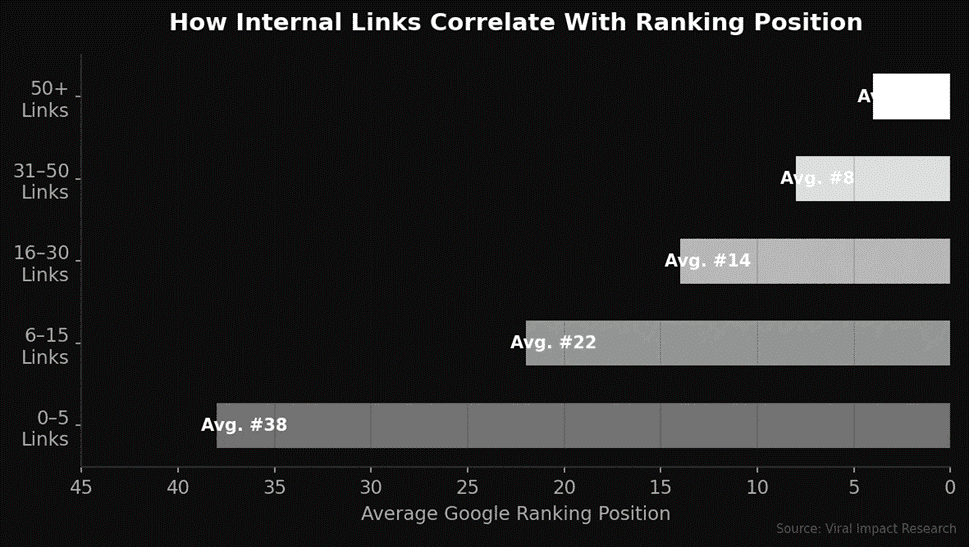
Internal linking is the practice of connecting one page on your website to another page on the same site using hyperlinks. It helps your pages rank by distributing authority across your site, guiding crawlers to find content faster, and signaling to Google which pages matter most.
Why Does Internal Linking Matter More Than You Think?
Most startup founders spend weeks chasing backlinks from other websites. That makes sense. External links are powerful. But here is something people overlook: the links inside your own site carry real weight too.
Google uses internal links to understand your site structure, how pages relate to each other, and which content deserves priority. If your homepage links to a blog post, Google treats that as a vote of confidence. The more strategic votes a page receives within your site, the better its ranking prospects.
A solid SEO and AEO growth strategy always includes internal linking as a foundational element, not an afterthought.
How Does Internal Linking Help Your Pages Rank?
Here is what happens under the hood when you link pages together:
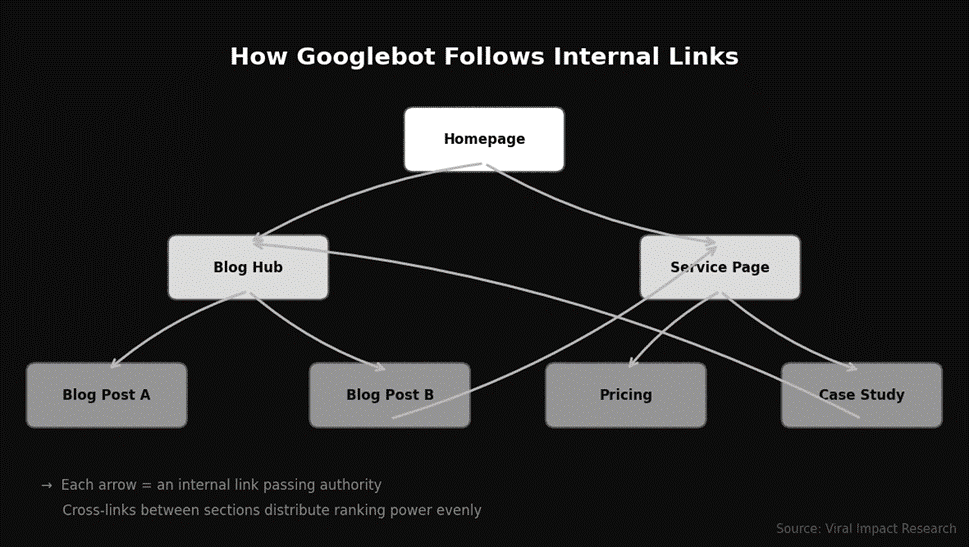
• It distributes page authority. When a high-authority page links to a newer post, some ranking power flows through. This is often called "link equity."
• It improves crawl efficiency. Googlebot discovers pages by following links. If a page has no internal links, Google might never find it. Orphan pages are invisible pages.
• It establishes content hierarchy. Internal links signal which pages matter most. Pillar pages should get the most internal links, with supporting posts linking back to them.
• It increases time on site. Readers who find relevant links click through. That engagement sends positive signals to search engines.
• It boosts topical relevance. Linking related pages creates content clusters. Google recognizes these clusters and rewards thorough topic coverage with stronger rankings.
What Are the Best Practices for Internal Linking?
• Use descriptive anchor text. Instead of "click here," use phrases that describe the destination. Google reads anchor text to understand linked pages.
• Link from high-authority pages. Your homepage and top posts carry the most weight. Use them to boost pages you want to rank.
• Keep it relevant. Only link genuinely related pages. Forced connections confuse users and search engines.
• Audit regularly. As your site grows, pages can become orphaned. Run a crawl audit every quarter to find unlinked content.
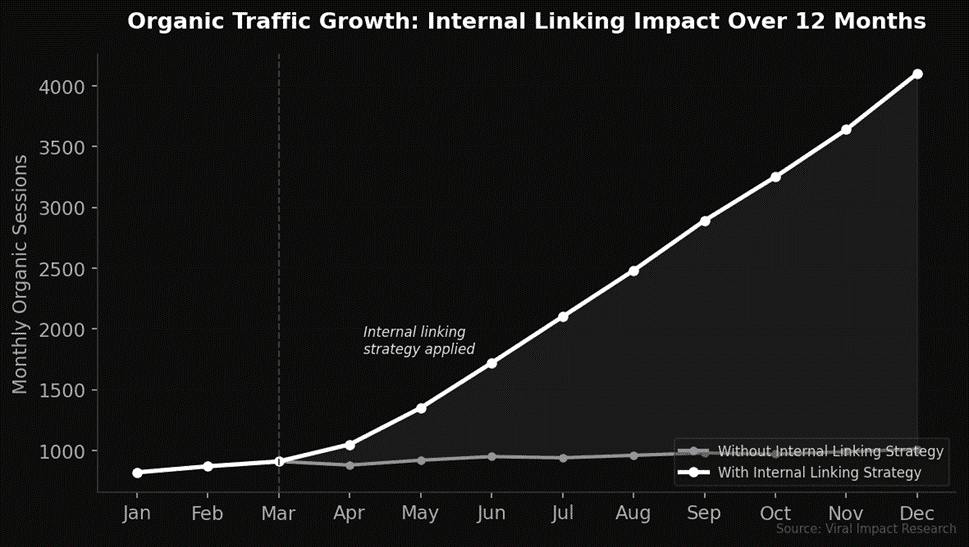
Pairing strong internal linking with keyword-optimized blog articles creates a compounding effect that grows traffic over time.
What Internal Linking Mistakes Should You Avoid?
• Orphan pages. Every published page needs at least two or three links to other pages. No links means Google cannot find it.
• Generic anchor text. "Read more" wastes an opportunity. Descriptive anchors improve both user experience and SEO.
• Footer-only linking. Contextual links within body content carry more weight than navigation links. Google understands the difference.
For a deeper walkthrough, check out this guide on how to write blog posts that rank on Google.
The Bottom Line
Internal linking is one of those rare SEO tactics that costs nothing, takes minutes, and delivers compounding results. Every new page is a chance to strengthen your entire site by connecting it to what already exists. It is not glamorous, but it flat-out works.
Ready to turn your website into a growth engine? Visit Viral-Impact and let us build a search strategy that puts your pages where they belong: at the top.