Learn what lead scoring is and how to set it up so your startup converts more leads faster.
Lead scoring is a ranking system that assigns points to each lead based on how likely they are to buy. It helps startup sales teams focus on the right people instead of wasting time chasing everyone.
Why Does Lead Scoring Matter for Startups?
Most startups waste hours talking to leads who will never convert. Lead scoring fixes that by assigning points based on actions, demographics, and engagement. Your team spends energy where it actually counts.
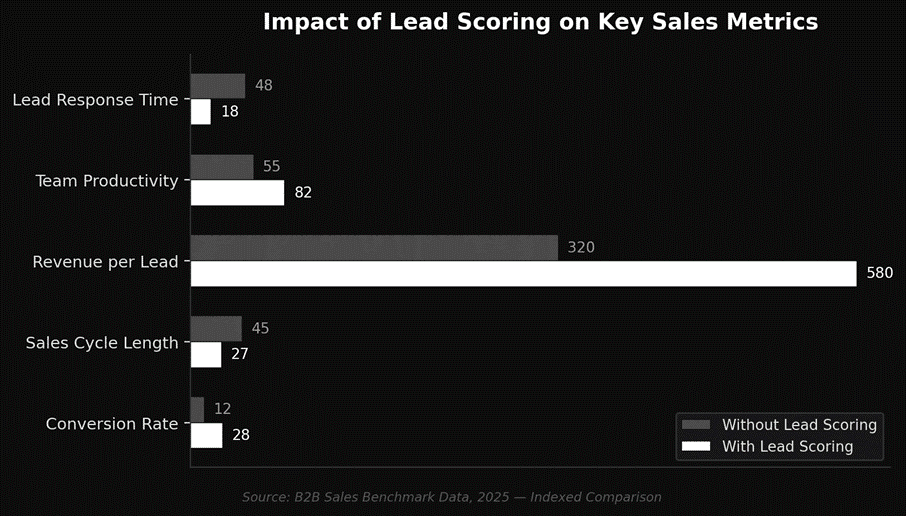
• Shortens sales cycles by prioritizing high-intent leads.
• Reduces wasted outreach on cold or unqualified prospects.
• Aligns marketing and sales around a shared definition of ready to buy.
• Improves conversion rates without increasing ad spend.
When you are running a lean team and cannot afford to chase every inquiry, scoring tells you exactly who deserves your attention first.
How Does Lead Scoring Actually Work?
Lead scoring uses two data types. Explicit data is what leads tell you directly, like job title, company size, and budget. Implicit data comes from tracked behavior:
• Visiting your pricing page multiple times (high intent signal).
• Downloading a whitepaper or case study.
• Opening emails repeatedly in a single week.
• Booking a demo or attending a webinar.
Each action earns a point value. A lead who visits your pricing page three times and downloads a case study might score 85 out of 100. Someone who has only opened one email sits at 15. Your sales team calls the first 85.
How Do I Set Up Lead Scoring Step by Step?
You do not need expensive tools. Many startups begin with a spreadsheet before moving to CRM automation:
• Define your ideal customer profile. Look at your best customers. What do they share? Industry, team size, pain points; document everything.
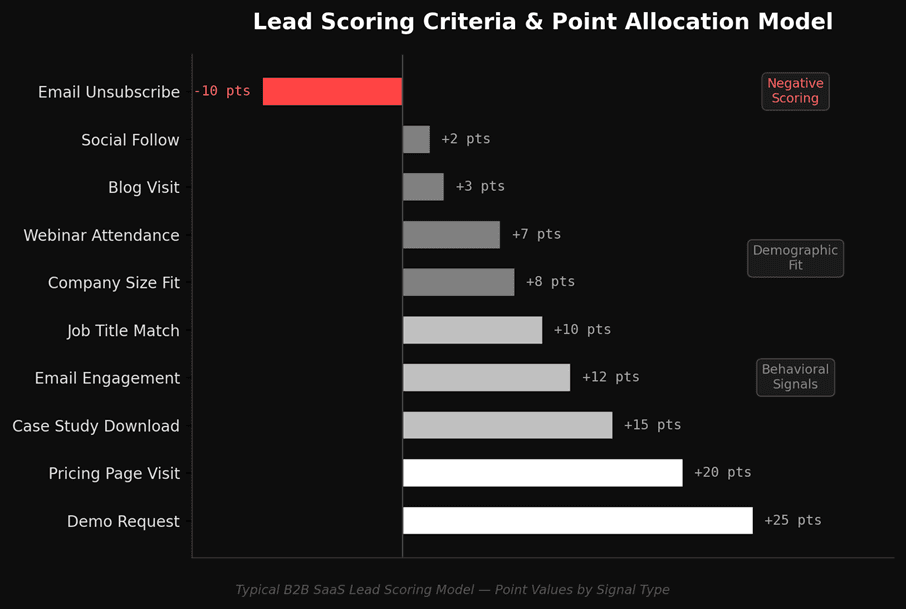
• Choose scoring criteria. Pick 5 to 10 attributes that indicate buying intent. Mix demographic traits with behavioral signals.
• Assign point values. A demo request might earn 25 points, while a blog visit earns 3. Weight actions by intent strength.
• Set score thresholds. Decide what score makes a lead sales-ready. Most B2B companies set this between 60 and 80.
• Test and refine monthly. Compare scores against actual conversions for 30 days. Adjust values based on what you learn.
A solid organic growth strategy paired with lead scoring can dramatically improve how startups convert traffic into revenue.
What Tools Can Startups Use for Lead Scoring?
You do not need enterprise software. Several affordable options work well:
• HubSpot CRM (free tier includes basic scoring).
• ActiveCampaign (behavioral scoring built in).
• Pipedrive (custom fields and automation rules).
• Google Sheets with manual tracking for very early stages.
Pairing lead scoring with a strategic cold email campaign ensures your highest-scored leads receive personalized outreach at the right moment.
What Mistakes Should You Avoid With Lead Scoring?
Even a simple model can go wrong. Watch for these pitfalls:
• Scoring too many attributes at once dilutes the signal.
• Ignoring negative scoring (subtract points for unsubscribes or bounces).
• Never updating the model after launch.
• Letting marketing and sales define qualified differently.
Review your model quarterly and adjust based on real data. If you are building a marketing funnel from scratch, lead scoring should be part of that foundation from day one.
The Bottom Line
Lead scoring removes the guesswork from sales. It gives startups a clear, repeatable way to identify which leads deserve attention right now. You do not need fancy tools or a big budget; just a defined process and the willingness to refine it over time.
Ready to build a growth system that turns traffic into qualified leads? Visit viral-impact and see how we help startups grow faster with strategies that actually work.