Learn what makes a press release newsworthy so your startup can earn real media coverage and lasting visibility.
A press release becomes newsworthy when it delivers timely, relevant information that matters to a specific audience and carries an angle journalists can actually use. Without a strong hook tied to real impact, most press releases end up buried in crowded inboxes.
Startups pour hours into writing press releases that never get picked up. The problem usually isn’t the writing; it’s the lack of a genuinely newsworthy angle. Journalists receive hundreds of pitches weekly. If yours doesn’t immediately signal value, it’s gone. So what separates a press release that lands coverage from one that disappears?
Why Do Most Startup Press Releases Fail?
The biggest mistake is treating a press release like a product announcement. Editors care about stories, not feature lists. Here’s what goes wrong:
• No clear news angle; just a company update disguised as a press release.
• Generic language that could describe any company in any industry.
• No supporting data, quotes, or third-party validation.
A solid press release strategy fixes these problems before you ever hit send.
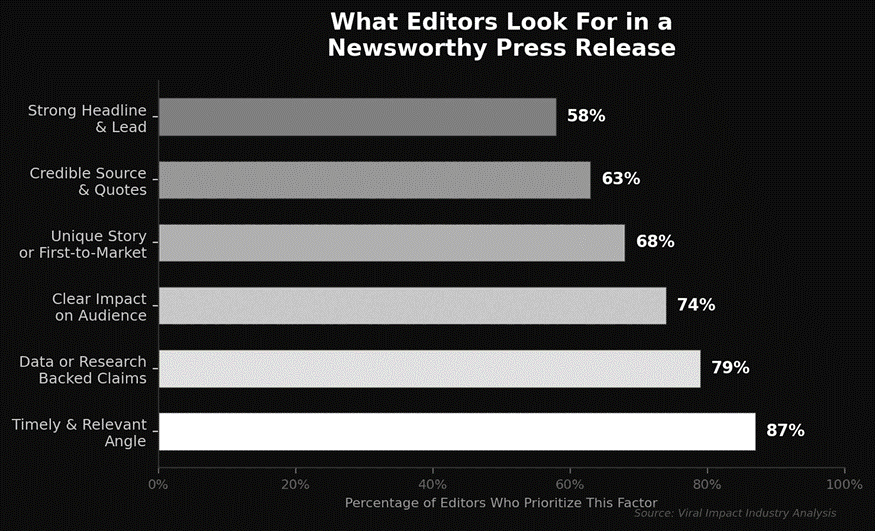
What Are the Core Elements of a Newsworthy Press Release?
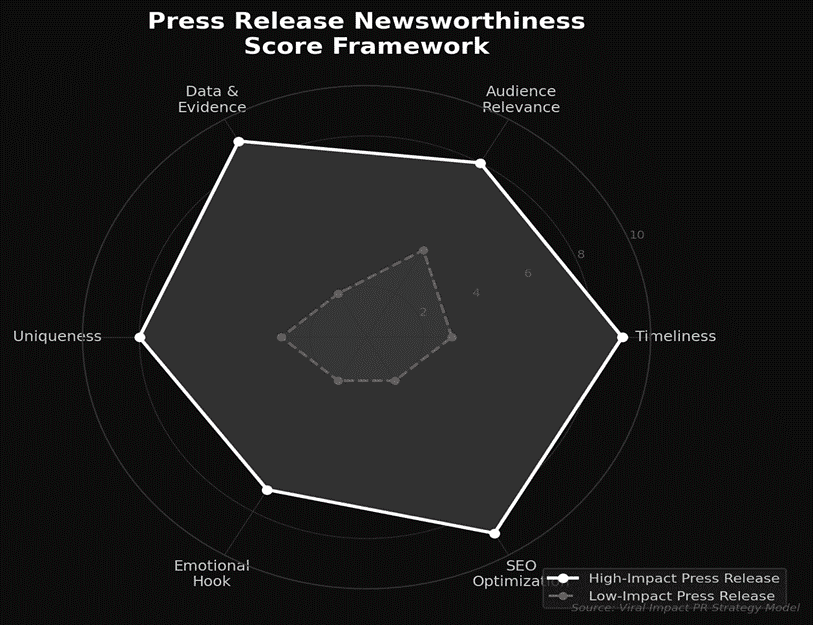
Every press release that earns real coverage shares these qualities:
Timeliness: Connect your news to something happening right now. A launch tied to a trend beats a standalone announcement.
Audience Relevance: Editors think about their readers. If you can’t explain who benefits in one sentence, it’s not ready.
A Unique Angle: Being first to do something instantly makes your story more attractive to publishers.
Data or Research: Numbers add weight. Back your claims with statistics or measurable outcomes, and your credibility jumps.
Credible Quotes: Quotes from founders, customers, or experts make your release feel human and trustworthy.
An Emotional Hook: Stories about people and real problems resonate far more than product specs.
These elements work together. Strong data without timeliness underperforms, just as a timely release without credible backing does. The combination is what makes editors pay attention.
How Should You Structure a Press Release for Maximum Pickup?
Structure matters almost as much as substance. Editors skim, so deliver the story fast:
• Lead with a headline that communicates the news clearly; not a clever tagline.
• Put the most important details in the first paragraph: who, what, why, now.
• Add 1–2 supporting paragraphs with data points or context.
• Include one strong quote that adds personality or insight.
• Close with a brief company description and contact details.
Pairing press releases with guest posting on high-authority sites gives dual visibility; earned media coverage alongside backlinks that boost domain authority.
What Mistakes Kill a Press Release’s Chances?
Even with a legitimate story, small errors can sink your chances:
• Overly promotional language that reads like ad copy.
• Burying the actual news below the generic company background.
• Mass-sending without personalizing for different outlets.
For a deeper look, our guide on common press release mistakes to avoid covers the five errors we see most often, and how to fix each one.
The Bottom Line
A newsworthy press release isn’t about hype; it’s about a real story that connects with the right audience at the right time. Focus on timeliness, relevance, data, and a human angle, and you’ll stand apart from the noise. If you need help crafting releases that actually get published
Viral-Impact specializes in building startup visibility through strategic PR, content marketing, and search optimization that drives real results.