Discover how to A/B test landing page copy step by step and boost your startup conversion rates fast.
A/B testing landing page copy means creating two versions of your text, showing each to a split audience, and measuring which drives more conversions. It is one of the fastest ways startups improve results without spending more on traffic.
Most founders spend money driving visitors to their page, but never test whether the words actually work. A/B testing your copy is not complicated, and you do not need a big budget to see real improvements.
What Is A/B Testing for Landing Page Copy?
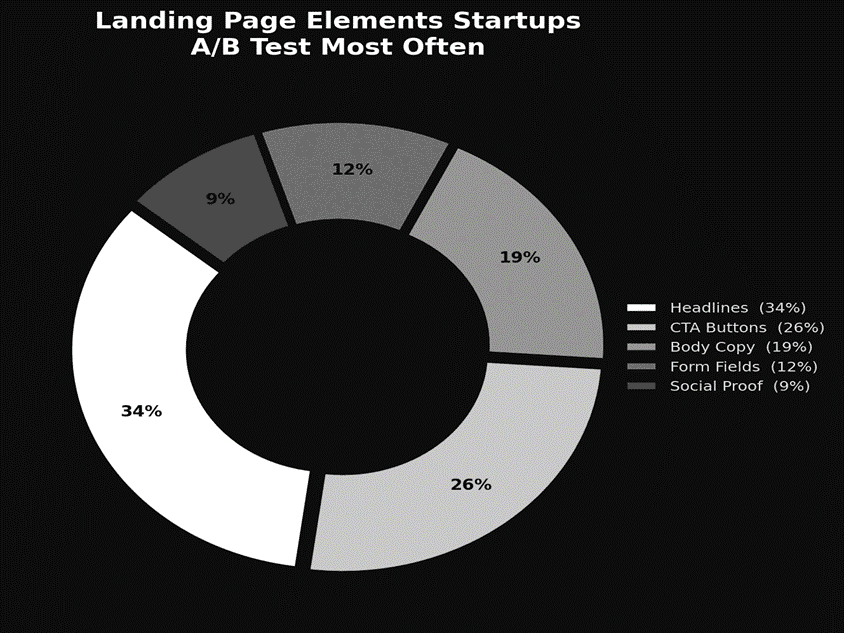
Split testing compares two versions of your page copy to find which performs better. You change one element at a time and send equal traffic to both. Here is what to test first:
• Headlines. Even a small wording change can shift conversions by 10 to 30 percent.
• CTA text. Switching from "Submit" to action-driven text like "Get My Free Audit" often boosts clicks.
• Subheadlines. These support your headline and give visitors a reason to keep reading.
• Body copy length. Some audiences prefer punchy paragraphs while others respond to detailed explanations.
• Social proof placement. Moving a testimonial above the fold can change how visitors interact with your page.
How Do You Set Up an A/B Test Step by Step?
You do not need fancy tools to get started. Follow these steps to launch your first test this week.
• Pick one element to test. Never change multiple things at once,e or you will not know what made the difference.
• Write two clear variations. Version A is your current copy. Version B has one specific change.
• Use a testing tool. Platforms like VWO or Unbounce split traffic evenly between versions.
• Set a sample size goal. You need at least 200 to 500 conversions per variation for statistical significance.
• Run the test for a minimum of two weeks. Short tests give unreliable data because traffic shifts throughout the week.
• Apply the winner. Implement the winning version and move on to your next test.
Startups that invest in professional landing page copywriting built around testing frameworks consistently outperform competitors relying on guesswork.
What Metrics Should You Track During A/B Tests?
Tracking the right numbers makes or breaks your testing process. Focus on these:
• Conversion rate. The percentage of visitors who take your desired action.
• Bounce rate. If one version makes people leave faster, your messaging needs work.
• Time on page. Longer engagement usually signals stronger copy.
• CTA click-through rate. This shows whether your call to action motivates the next step.
Pairing A/B testing with SEO blog content writing creates a feedback loop where blog traffic feeds your landing page and testing ensures those visitors convert.
What Mistakes Kill A/B Test Results?
Even smart founders make these errors:
• Testing too many things at once. Stick to one variable so you know what drove the change.
• Ending tests too early. Two weeks minimum gives you reliable data.
• Ignoring mobile users. Copy that works on desktops can fall flat on phones.
• Not documenting results. Track what you tested, what won, and by how much in a simple spreadsheet.
For a deeper look at what makes pages convert, read this guide on how to design a high-converting landing page.
The Bottom Line
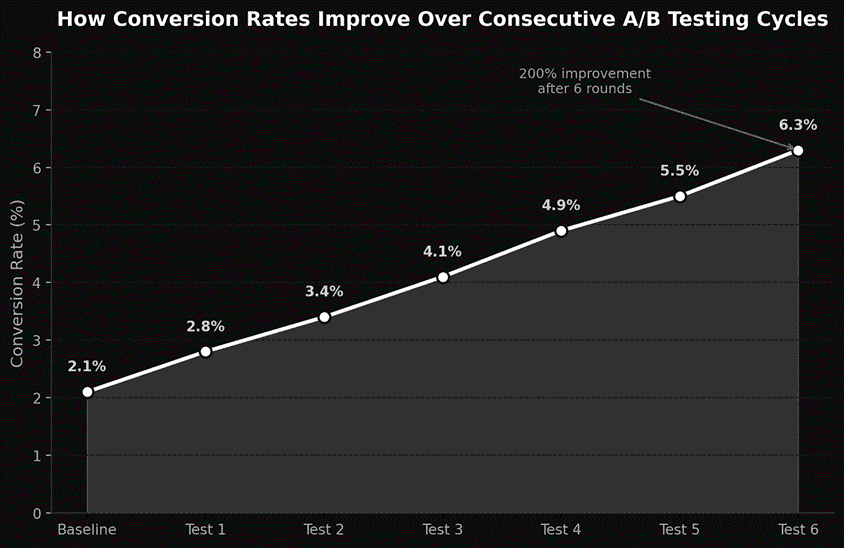
A/B testing your landing page copy is not optional if you want real growth. Start with your headline, test one variable at a time, and let data guide every decision. The compounding effect of consistent testing is what separates startups that scale from those that stall.
Need expert help building and testing high-converting pages? Visit Viral-Impact to see how we help startups grow faster through data-driven strategies.