Learn step by step how to build a lead generation website that turns your visitors into qualified leads.
A lead generation website is built around clear calls to action, strategic landing pages, and trust-building content that guides visitors toward sharing their contact information. When every page has a purpose, and every element supports conversion, your website stops being a brochure and starts working as your best salesperson.
What Makes a Website a Lead Generation Machine?
Most startup websites look great but fail at one critical thing: capturing leads. The difference between a regular website and a lead generation website comes down to intent. Every page, button, and piece of content should push visitors closer to taking action.
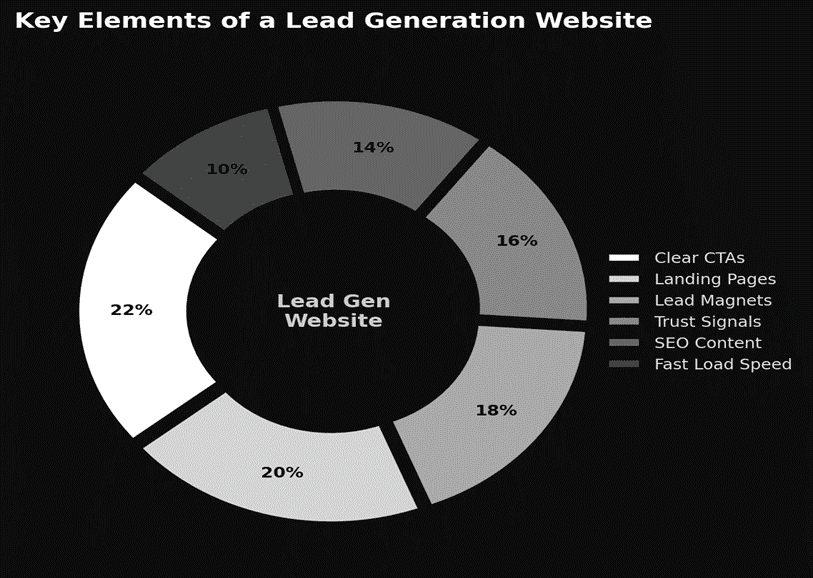
Here is what separates high-performing lead gen sites from the rest:
• A homepage with a clear value proposition and a single primary CTA.
• Dedicated landing pages for each offer, service, or campaign.
• Lead magnets like free guides, checklists, or templates that give visitors a reason to share their email.
• Trust signals, including client logos, testimonials, case studies, and security badges.
• Fast load times because every extra second of delay kills conversions.
• Mobile-first design since over 60% of B2B research happens on phones.
If your current site is missing these elements, a professional website design and development service can help you rebuild with conversions in mind.
What Pages Does a Lead Generation Website Need?
You do not need dozens of pages. You need the right ones. A lean, focused site structure works best for startups trying to generate leads without a massive budget.
Start with these essential pages:
• Homepage: your best first impression with a clear CTA above the fold.
• Service or product pages: detailed, benefit-driven pages that answer buyer questions.
• Landing pages: standalone pages designed for one specific action, like downloading a resource or booking a demo.
• Blog: SEO-optimized articles that attract organic traffic and build authority.
• About page: your story, your team, and why prospects should trust you.
• Contact page: make it dead simple to reach you.
Strong landing page copywriting turns casual visitors into warm leads by focusing on pain points and outcomes rather than features.
How Do You Optimize a Lead Generation Website for More Conversions?
Building the site is step one. Optimizing it is where the real results come from. Most startups launch and forget. The ones that grow keep testing and refining.
Focus on these proven optimization tactics:
• Place CTAs above the fold on every key page.
• Use short, benefit-focused forms; name and email are enough to start.
• Add exit-intent popups with a compelling lead magnet offer.
• Run A/B tests on headlines, button colors, and form placements.
• Track heatmaps to understand where visitors click and where they drop off.
• Write SEO content that targets questions your ideal customers actually search for.
If you want a deeper walkthrough on designing pages that convert, check out this guide on how to design a high-converting landing page.
The Bottom Line
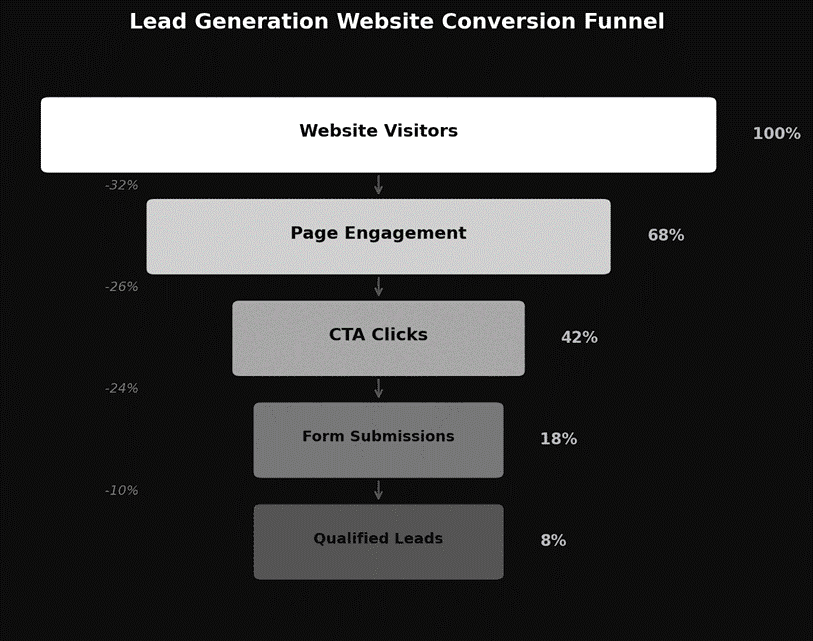
A lead generation website is not about flashy design or stuffing pages with content. It is about building a focused, conversion-driven experience that earns trust and captures interest at every touchpoint. Start with the right structure, optimize your pages for action, and let your site do the heavy lifting.
If you are ready to build a website that actually generates leads for your startup, visit Viral-Impact and let our team turn your online presence into a growth engine.