Learn how brands can prepare for AI-first search with proven strategies for better SEO, AEO, and organic growth.
Brands should prepare for AI-first search by restructuring content for direct answers and building authority across AI platforms like ChatGPT, Perplexity, and Google AI Overviews. The shift from traditional search to AI-driven results means your visibility now depends on how well machines can understand, trust, and cite your content.
Why Is AI-First Search Changing the Game?
Search is no longer just about typing keywords into Google. AI tools now pull answers directly from trusted sources and present them without a click.
• Google AI Overviews appear in over 30% of search queries.
• ChatGPT and Perplexity are becoming go-to research tools for buyers.
• Traditional click-through rates are dropping as AI answers satisfy users.
• Brands not optimized for AI citations are losing visibility fast.
What Steps Should Brands Take to Prepare?
Preparing for AI-first search is not about abandoning SEO. It is about layering answer engine optimization on top of your existing strategy.
1. Structure Content for Direct Answers
• Start every page with a clear, two-sentence answer to the main question.
• Use question-based headings that match real search queries.
• Keep paragraphs short and sentences under 20 words.
2. Implement Schema Markup
• Add FAQPage, Article, and HowTo schema to relevant pages.
• Use Speakable schema to help voice assistants surface your content.
• Validate markup through Google’s Rich Results Test before publishing.
3. Build Topical Authority
• Create content clusters around core topics instead of random posts.
• Interlink related pages to signal depth and expertise.
• Publish consistently to show freshness and relevance.
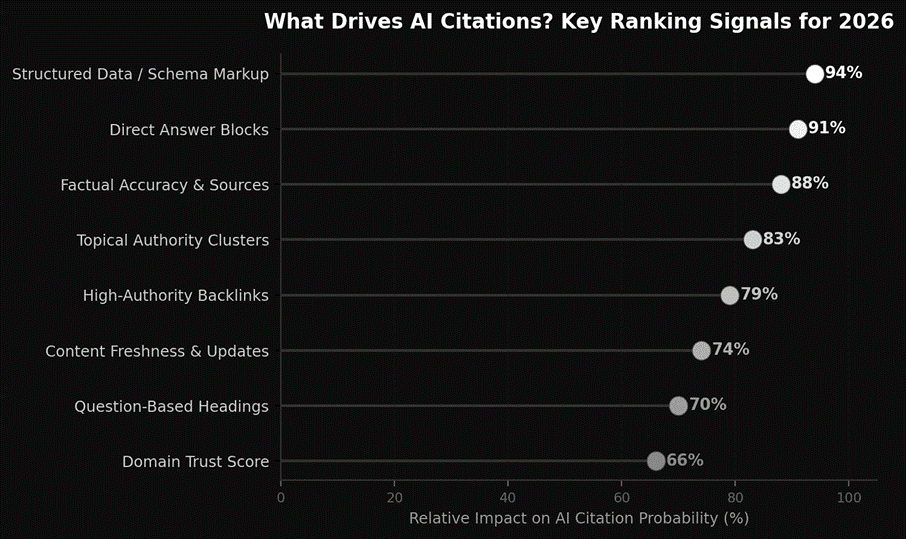
4. Optimize for AI Citation Signals
• Include statistics, original data, and expert quotes.
• Earn backlinks from high-authority sites to boost trust.
• Write in a factual, neutral tone that AI models prefer to cite.
5. Monitor AI Platforms Regularly
• Track your brand in ChatGPT, Perplexity, and Google AI Overviews.
• Use SEMrush or Ahrefs to monitor featured snippet performance.
• Adjust content based on where AI tools pull their answers.
A strong SEO and AEO growth strategy combines all five steps into a single, measurable system.
How Does AEO Differ from Traditional SEO?
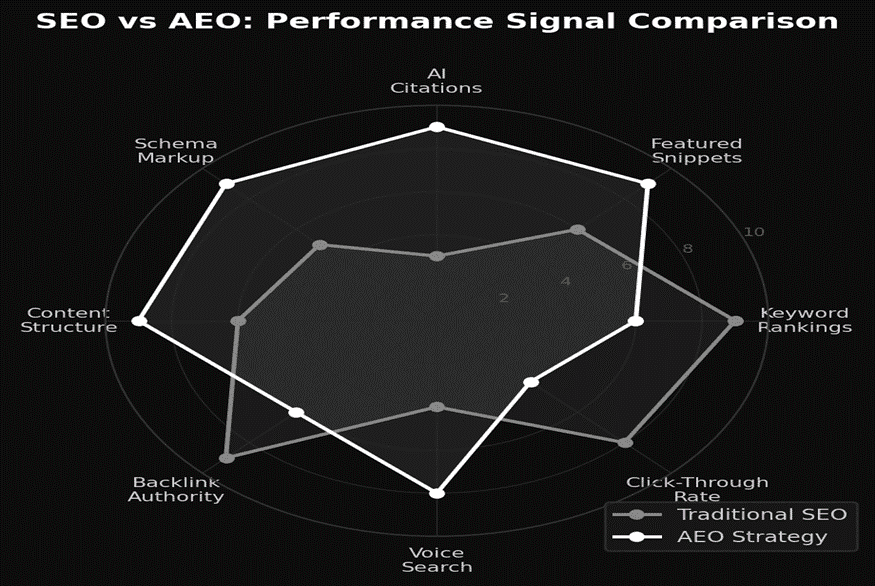
Traditional SEO focuses on ranking pages in a list of blue links. AEO goes further by optimizing content to become the source AI tools cite when generating answers.
• SEO targets keyword rankings and click-through rates.
• AEO targets direct citations in AI-generated responses.
• SEO relies on backlinks and domain authority.
• AEO relies on structured data, accuracy, and content clarity.
• Both work together, but AEO adds a new layer of visibility.
If you want to understand the full picture, this guide on what is answer engine optimization breaks down the strategies in detail.
Which Content Formats Work Best for AI Search?
Not every format performs equally in AI-first search. Brands that want citations should focus on these content types:
• FAQ pages with concise, direct answers.
• How-to guides with clear step-by-step instructions.
• Data-driven blog posts with original research.
• Comparison articles with balanced, well-sourced information.
• Glossary pages that answer “what is” queries directly.
Working with a team that specializes in AEO blog writing can help you produce content that ranks in both Google and AI platforms.
The Bottom Line
AI-first search is not a future trend. It is happening right now, and brands that wait will lose ground to competitors who act early. The good news is that preparing does not require a complete overhaul. Start with structured answers, add schema markup, and build topical authority one piece at a time. If you want a growth partner who understands both SEO and AEO, visit Viral-Impact and let us help your brand get found where it matters most.