Learn how to track AI citations and brand mentions across ChatGPT, Perplexity, and Google AI Overviews effectively.
Tracking AI citations means monitoring when platforms like ChatGPT, Perplexity, or Google AI Overviews mention your brand in their responses. Without a tracking system, you cannot tell whether your optimization efforts are working or where your next traffic wave is coming from.
If you run a startup, showing up on Google already matters to you. But here is what most founders miss. AI search engines now send real traffic too. People ask ChatGPT for product recommendations and use Perplexity to research solutions. The problem? Most startups have zero visibility into whether AI tools mention them. That changes today.
Why Should Startups Care About AI Citations?
When ChatGPT recommends your tool, that is a free, high-trust referral. Here is why it matters:
• AI answers influence buying decisions before someone visits your website.
• Brands cited in AI responses gain trust faster because users treat AI answers as curated picks.
• Competitors who track AI visibility will pull ahead while you are still guessing.
• Early movers in AEO strategy build compounding visibility that latecomers struggle to replicate.
What Tools Can You Use to Track AI Mentions?
No single dashboard tracks every AI citation. But combining a few approaches gives solid coverage:
• Manual prompt testing: Run branded and non-branded queries on ChatGPT, Perplexity, and Google AI Overviews weekly. Log whether your brand appears and in what context.
• Referral traffic monitoring: Use Google Analytics to track visits from ai.chatgpt.com and perplexity.ai. Create custom segments to isolate AI-driven traffic.
• Brand monitoring tools: Platforms like Brandwatch or Mention catch when your name appears across the web, feeding into AI training data.
• Dedicated AEO trackers: Tools like Otterly.ai, Profound, and Peec AI monitor AI citation performance across multiple platforms.
How Do You Set Up an AI Citation Tracking System?
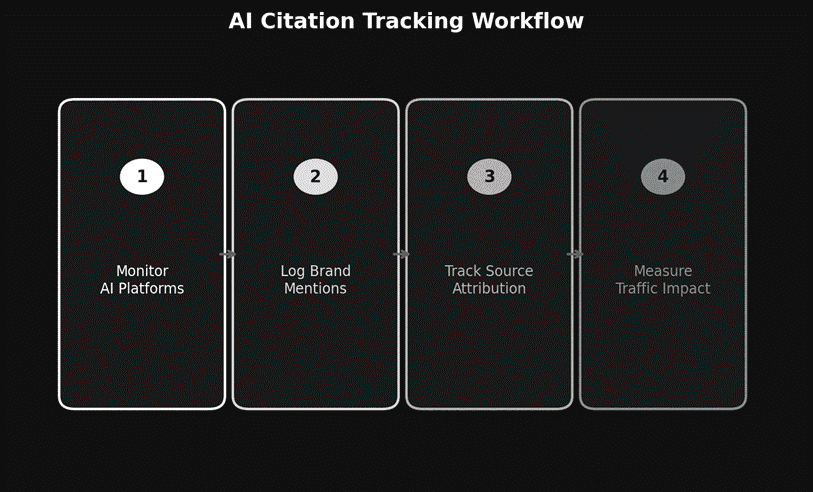
You do not need a big budget. Here is a practical framework any startup can follow:
• Build a query list with 15 to 20 questions your ideal customer would ask an AI tool. Mix branded terms with generic industry questions.
• Test each query on ChatGPT, Perplexity, Google AI Overviews, and Bing Copilot. Screenshot and log results in a spreadsheet.
• Set up analytics filters in Google Analytics for AI referral traffic. Tag UTM parameters on the content AI tools may pull from.
• Optimize your blog content for AI citations with direct answers, clear definitions, and structured data.
• Review monthly. Track citation frequency changes, new platforms picking you up, and which content earns the most mentions.
What Types of AI Mentions Should You Track?
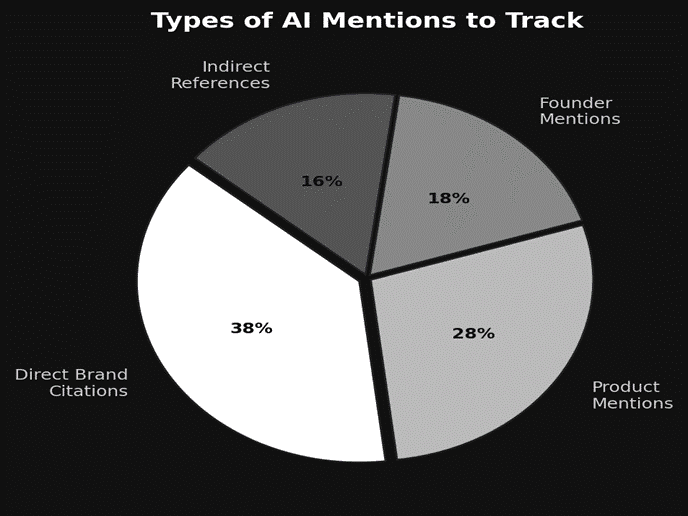
Not every mention carries the same weight. Focus on these categories:
• Direct brand citations: When AI names your company as a specific recommendation.
• Content attributions: When AI tools reference your blog posts or data as sources.
• Competitive mentions: When competitors get cited for queries you should own.
• Indirect references: When AI describes your category without naming you, signaling an organic growth opportunity to capture.
The Bottom Line
AI citations are not a future trend. They are happening right now. Every week your startup goes untracked is a week competitors gain ground in a space that gets harder to break into.
Start simple. Test your brand on major AI platforms, set up referral tracking, and build content that AI tools want to cite. Refine monthly as you learn what works.
Need help getting your startup cited across AI search engines and Google? Visit Viral-Impact and let our team build a strategy that puts your brand where it matters most.