Discover what generative engine optimization is, how it works, and why your startup needs a GEO strategy now.
Generative Engine Optimization (GEO) is the practice of structuring your content so AI search engines like ChatGPT, Perplexity, and Google AI Overviews cite it in their answers. Think of it as the next evolution of SEO; instead of just ranking on a results page, your brand becomes the answer.
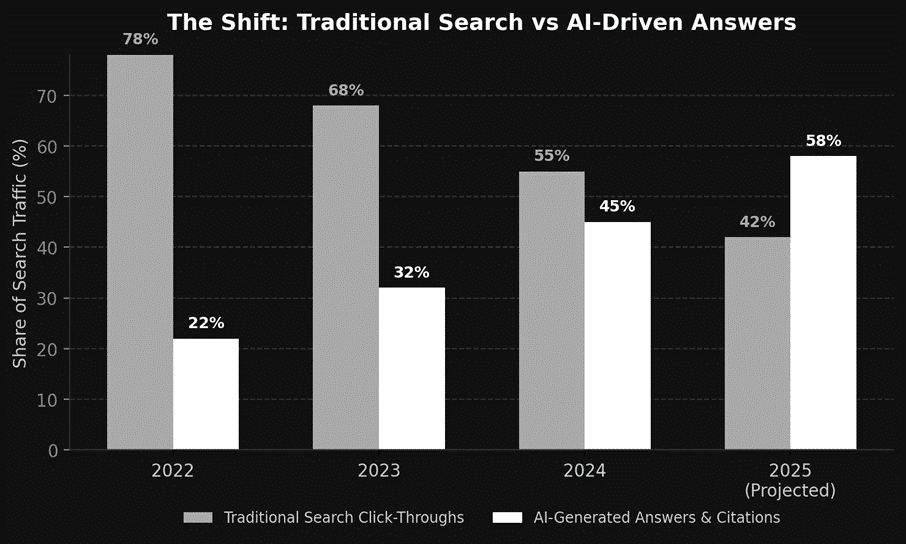
If you’ve searched for something on Google recently, you’ve noticed a shift. Before you scroll, there’s an AI-generated summary at the top. That’s generative AI pulling from content it trusts.
Now here’s the real question: Is your startup’s content showing up in those answers? If not, you’re invisible to a growing audience. That’s why GEO matters.
How Does Generative Engine Optimization Actually Work?
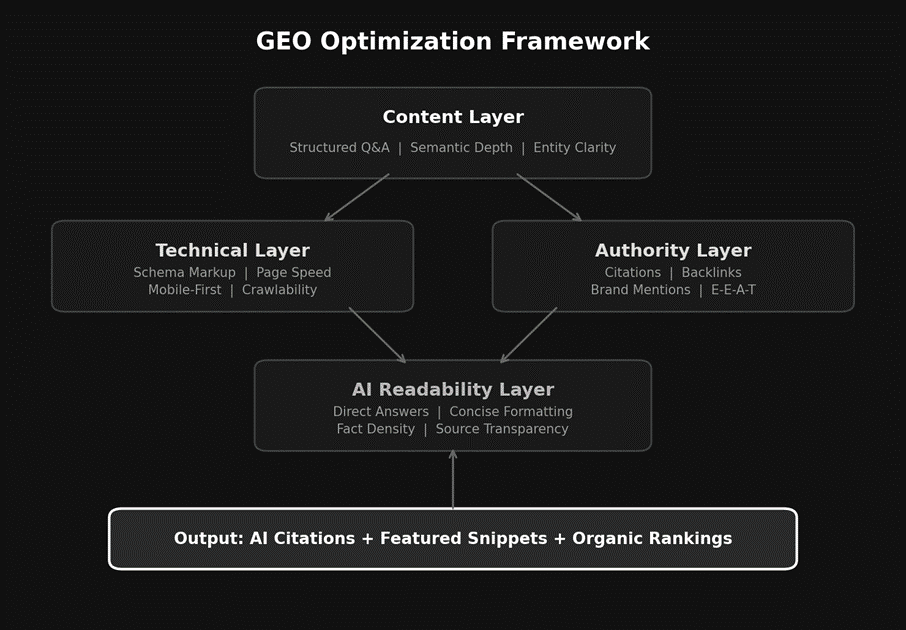
Traditional SEO focuses on keywords, backlinks, and rankings. GEO goes deeper. It’s about making your content structured enough for AI to confidently reference.
Here’s what GEO involves at its core:
• Writing direct, fact-based answers to common questions in your niche.
• Using structured data and schema markup (FAQPage, HowTo, Article) so AI can parse your content quickly.
• Building topical authority with well-linked, in-depth content clusters.
• Including statistics, citations, and named sources that AI models consider credible.
• Keeping content concise, scannable, and free of fluff; AI prefers clarity over cleverness.
The goal isn’t just to rank on page one. It’s to become the source AI pulls from when generating answers. If you’re building a solid SEO and AEO strategy for your startup, GEO should be baked right into it.
Why Does GEO Matter More for Startups Than Established Brands?
Big brands have domain authority and name recognition. Startups don’t. But AI search engines don’t always prioritize brand size. They prioritize relevance, structure, and accuracy.
That’s a massive opening for startups. Here’s why:
• AI citations don’t depend on domain authority alone; well-structured content from newer sites still gets cited.
• Most competitors haven’t optimized for GEO yet, so the playing field is wide open.
• GEO compounds over time; once AI trusts your content, it keeps coming back to it.
• It drives zero-click visibility, meaning people see your brand even if they don’t click a link.
If you’re writing blog content already, the shift isn’t dramatic. It’s about adjusting structure and format. A strong AEO blog writing approach already covers a lot of the ground GEO requires.
How Can Startups Start Implementing GEO Today?
You don’t need a big budget to get started. Most early wins come from restructuring content you’ve already written.
• Audit your existing blog posts; add direct answers at the top of each one.
• Implement FAQ schema on every article page (this alone increases AI citation rates significantly).
• Use question-based subheadings that mirror real search queries.
• Include named data points, percentages, and credible references in your content.
• Build content clusters around core topics so AI sees your site as an authority on specific subjects.
For a deeper look at the tactical side, check out our guide on 7 steps to get cited in AI search results. It breaks the process into steps you can act on this week.
The Bottom Line
Generative Engine Optimization isn’t a future trend. It’s happening now. More people rely on AI search every day. If your content isn’t structured for that reality, you’re leaving visibility and customers on the table.
The good news? Most of your competitors haven’t figured this out yet. That gives you a window. A real one!
Start optimizing for GEO today and position your brand where it actually gets seen; inside the answers people trust. Visit viral-impact to learn how we help startups build search visibility that lasts.