10 Common Marketing Mistakes Startups Make

Most startups don't fail because their product is bad. According to CB Insights, 14% of startups cite poor marketing as a direct cause of failure, but that understates reality. Marketing problems hide inside other categories too: unclear positioning, burning through budget before gaining traction, and misreading what customers want.
The founders who survive year one tend to figure these lessons out through expensive trial and error. The ones who don't usually repeat the same 10 mistakes. Here's what they are and what to do instead.
1. Skipping Market Research Before Running Campaigns
Running paid ads before knowing who your customer is doesn't make you fast; it makes you expensive. Founders often assume they understand their audience because they've experienced the problem firsthand. That assumption burns real budget. Effective startup marketing starts with research: who has this problem, how are they searching for it, and what would make them choose you.
2. Trying to Appeal to Everyone
"Our product works for everyone" is not a positioning statement; it's a sign that positioning hasn't happened yet. Broad targeting wastes budget and dilutes messaging for the people who would actually convert. The startups that grow consistently pick one specific segment, dominate it, and then expand. Audience segmentation is what makes messaging land, not a constraint on growth.
Before any campaign launches, answer these questions honestly:
• Who has this problem most urgently?
• What language do they use to describe it?
• Where do they currently look for solutions?
• What would make them switch from what they're using now?
3. Ignoring SEO Until It's Too Late
Many founders treat SEO as something to address after the product matures. By the time they revisit it, competitors have been building organic rankings for 12 months. SEO compounds. Every optimized page, every indexed article, every earned backlink becomes a permanent asset. Starting late means playing catch-up for years.
Getting your SEO strategy right from launch directly affects your cost of customer acquisition. As paid channels grow more expensive and AI Overviews reshape search results, organic visibility is no longer optional; it's the foundation on which everything else is built.
4. Publishing Content Without a Strategy
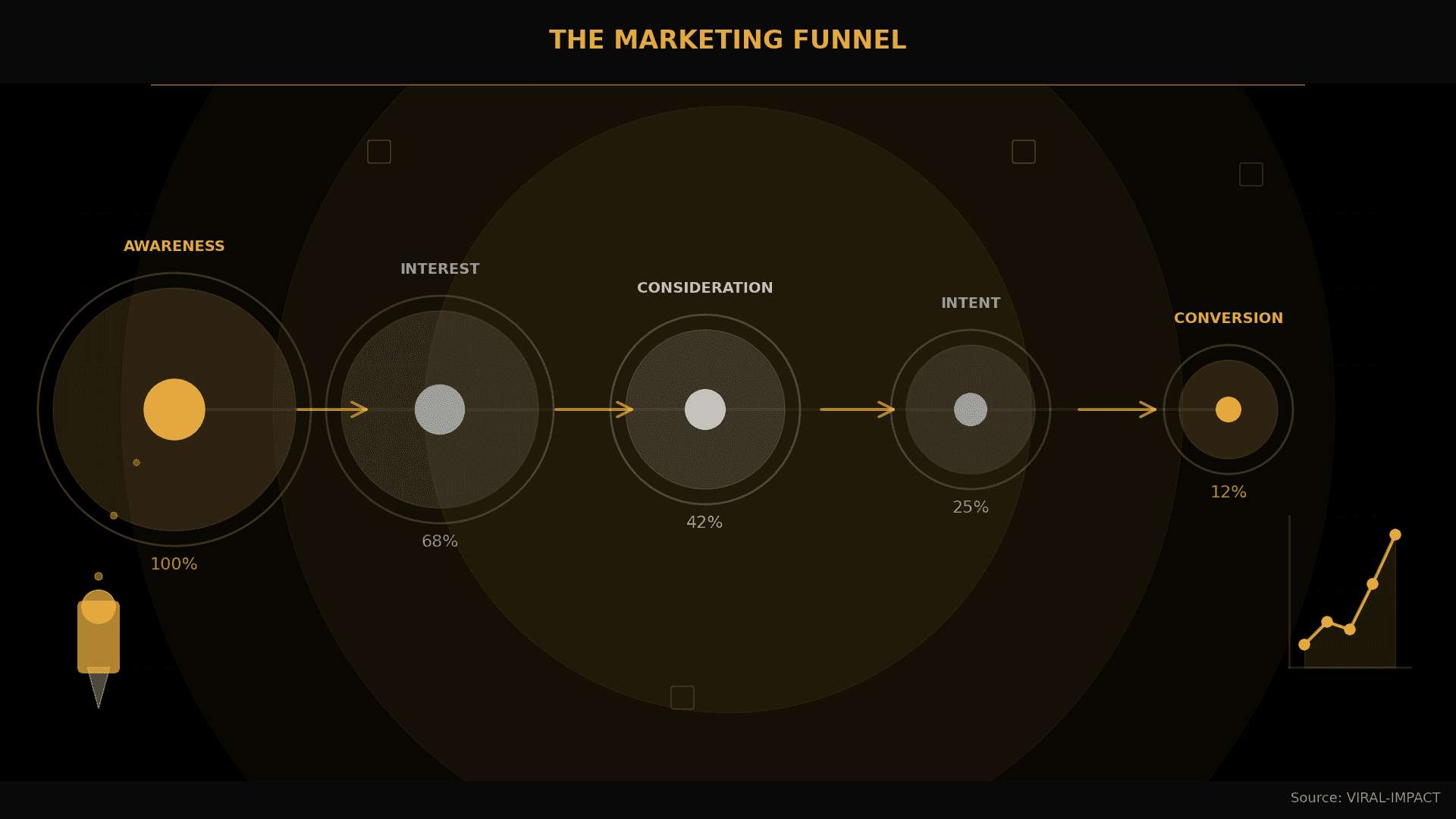
Posting twice a week because someone said consistency matters is not a content strategy. Random publishing generates traffic noise, not traffic growth. A real strategy maps specific keywords to specific buyer stages, builds topical authority across a niche, and feeds a defined funnel from awareness to conversion.
According to HubSpot, companies that blog strategically generate 67% more leads per month than those that don't. Professional content writing built around search intent separates content that ranks from content that disappears.
5. Treating Social Media as a Broadcast Tool
Startups often use social platforms to push announcements, product updates, and promotional offers. That's the wrong model. Social media engagement grows when you create content that people want to share, discuss, and respond to, not content that reads like a press release feed.
The platforms that drive the most B2B growth reward consistent value delivery. Posting genuine industry insights, honest takes on real challenges, and engaging in existing conversations converts far better than broadcasting offers into a feed that scrolls on without stopping.
6. Neglecting Email Outreach as a Growth Channel
Email remains the highest-ROI channel in B2B marketing. According to Litmus, email delivers an average return of $36 for every $1 spent. Most early-stage startups either ignore it entirely or treat it as an afterthought once paid ads underperform.
Strategic email outreach built around personalized, segmented campaigns generates leads at a fraction of paid acquisition costs. Build your list from day one. A list built under pressure delivers results under pressure, which usually means poor ones.
7. Sending Traffic Without a Conversion Funnel
Driving visitors to a homepage and hoping they sign up is not a strategy. A conversion funnel maps the journey from first contact to closed deal, with specific content and calls to action at every stage. Startups without defined funnels wonder why strong traffic numbers don't translate into revenue.
Understanding marketing funnel architecture is one of the highest-leverage investments an early-stage company can make. Without it, every dollar spent on acquisition leaks before reaching conversion.
8. Running With an Inconsistent Brand Identity
Different logos across platforms, mismatched tone between ads and landing pages, visual inconsistency between social content and the website, these details accumulate into a trust problem faster than most founders realize. Strong branding doesn't require a large agency budget. It requires documented visual and tone-of-voice guidelines applied consistently across every channel.
9. Tracking Vanity Metrics Instead of Business Outcomes
Page views feel like progress. They don't pay salaries. The marketing KPIs that matter are cost per lead, conversion rate, customer acquisition cost, and organic revenue. Track the wrong metrics, and you optimize for the wrong outcomes.
Focus on these instead:
• Cost per lead (CPL)
• Customer acquisition cost (CAC)
• Conversion rate by channel
• Revenue attributed to organic sources
• Lead-to-close rate
10. Spreading Budget Across Too Many Channels at Once
Attempting SEO, paid ads, social media, email, and PR simultaneously with a small team produces nothing well. Traction comes from focus. Pick one or two channels, build real competence there, and then expand. Startups that try to be everywhere at once run out of budget without building real momentum anywhere.
Investing in organic growth as a foundation before layering paid channels on top compounds over time and keeps acquisition costs manageable as the company scales.
The 10 Mistakes at a Glance
A quick reference for any founder reviewing their current marketing approach.
Mistake | What to Do Instead |
Skipping market research | Run audience interviews and keyword research before any campaign |
Targeting everyone | Define one specific ICP (Ideal Customer Profile) and build from there |
Ignoring SEO at launch | Start technical SEO and content strategy from day one |
Unstrategic content | Map content topics to buyer stages and search intent |
Broadcast-only social media | Lead with value, insights, and conversation rather than promotions |
Neglecting email outreach | Build a segmented list from day one; personalize every campaign |
No conversion funnel | Map the full journey from first touch to closed deal |
Inconsistent branding | Document brand guidelines and apply them across every channel |
Tracking vanity metrics | Focus on CPL, CAC, conversion rate, and organic revenue |
Spreading the budget too thin | Pick one or two channels, master them, then expand |
How Common Are These Mistakes? (Survey Data)
Industry data showing the percentage of startups affected by each issue.
Marketing Mistake | Startups Affected | Source |
No target audience defined | 42% | HubSpot, 2024 State of Marketing |
No content strategy in place | 38% | Content Marketing Institute, 2024 |
Poor email engagement / no list | 34% | Litmus Email Report, 2024 |
Vanity metrics as primary KPIs | 47% | Databox Marketing Survey, 2024 |
Inconsistent brand across channels | 29% | Lucidpress Brand Study, 2023 |
SEO started after 12+ months | 61% | Ahrefs Startup SEO Study, 2024 |
No defined conversion funnel | 55% | Salesforce State of Sales, 2024 |
Budget spread across 5+ channels | 39% | Gartner CMO Spend Survey, 2024 |
FAQs
Q1:What is the most common marketing mistake startups make?
Not defining a target audience before running campaigns. Most founders try to appeal to everyone, which produces generic messaging, wasted ad spend, and low conversions. Define one specific segment, understand their exact pain points, and build every campaign around that. Specificity converts. Broad doesn't.
Q2:When should startups invest in SEO?
From day one. SEO compounds every page optimized and every backlink earned, building domain authority over time. Waiting until you "have enough content" means starting 12 months behind competitors who began earlier. The best time to start is before you think you need it.
Q3:How much should an early-stage startup spend on marketing?
A common benchmark is 10 to 20% of revenue. The more important question is channel efficiency: organic channels like SEO and email deliver better long-term ROI than paid ads, which stop working the moment the budget runs out. Build owned channels before scaling paid.
Q4:Is content marketing worth it for startups with limited budgets?
Yes. A well-researched post can generate organic leads for three to five years. Pair that with answer-optimized formatting built to appear in AI-generated search results, and content becomes your lowest-cost, highest-return acquisition channel, especially when produced with clear search intent.
Conclusion and Call to Action
These mistakes happen because early-stage marketing is hard, and most teams are solving a dozen problems at once. Nearly all of them are fixable not with a bigger budget, but with better focus and a clearer strategy. Fix the foundation, and the tactics start working.
Ready to Fix These Mistakes?
At Viral Impact, we help startups build organic marketing systems that rank and scale. From search strategy to content production, we build the foundation your marketing needs. Visit Viral-Impact to get started.
Read more

Learn which marketing skills remain irreplaceable as AI transforms search, content, and strategy for the next decade.

Learn how to reposition your startup brand after a pivot and maintain marketing momentum without losing your audience.
Learn the key differences between AEO and SEO and discover which strategy your startup should prioritize in 2026.