How to Prioritize Marketing Channels with Limited Budget

Most startups waste their marketing budget by spreading it too thin across too many channels at once. The key to sustainable growth is identifying the two or three channels that generate the highest return and focusing your limited resources there first.
Every startup founder faces the same challenge: dozens of marketing channels exist, but the budget to test all of them does not. From paid ads and social media to SEO and email, the options feel overwhelming. Without a clear framework, early-stage companies burn through their runway, trying everything and mastering nothing. This guide provides a system for channel prioritization so every dollar generates measurable traction.
Why Channel Prioritization Matters for Startups
Marketing without prioritization is guesswork dressed up as strategy. When resources are tight, every decision must produce outcomes. Choosing the wrong channel early does not just waste money; it wastes time, momentum, and team energy that a startup cannot afford to lose.
According to HubSpot's 2025 State of Marketing Report, companies with a documented content strategy are 60 percent more likely to succeed with their marketing efforts. Deciding where to focus forces clarity around your audience, value proposition, and conversion goals before spending a single dollar.
Before committing to any channel, answer the following questions:
• Who is your target customer, and where do they spend time online?
• What is your average deal size, and does it justify paid acquisition?
• How long is your sales cycle, and does the channel timeline match?
• Do you have the resources to execute on this channel consistently?
These questions narrow the field quickly. A B2B startup targeting enterprise buyers approaches channel selection very differently from a consumer app competing for impulse purchases.
Table 1: Marketing Channel Performance Comparison (B2B Startups, 2024-2025)
Channel | Avg Budget Share | Median CAC | Time to Results |
SEO and Content | 22% | $135 | 4 to 6 months |
Email Marketing | 14% | $55 | 2 to 4 weeks |
Guest Post and PR | 11% | $90 | 1 to 3 months |
Paid Search | 18% | $310 | 1 to 2 weeks |
Organic Social | 12% | $80 | 2 to 3 months |
A Framework for Prioritizing Your Marketing Channels
Once you have clarity on your buyer and goals, follow this six-step framework to score and rank your channel options.
1. Map your ideal customer profile. Define the job title, industry, company size, pain points, and online behavior of your most qualified buyer. Without this foundation, no channel selection carries real meaning.
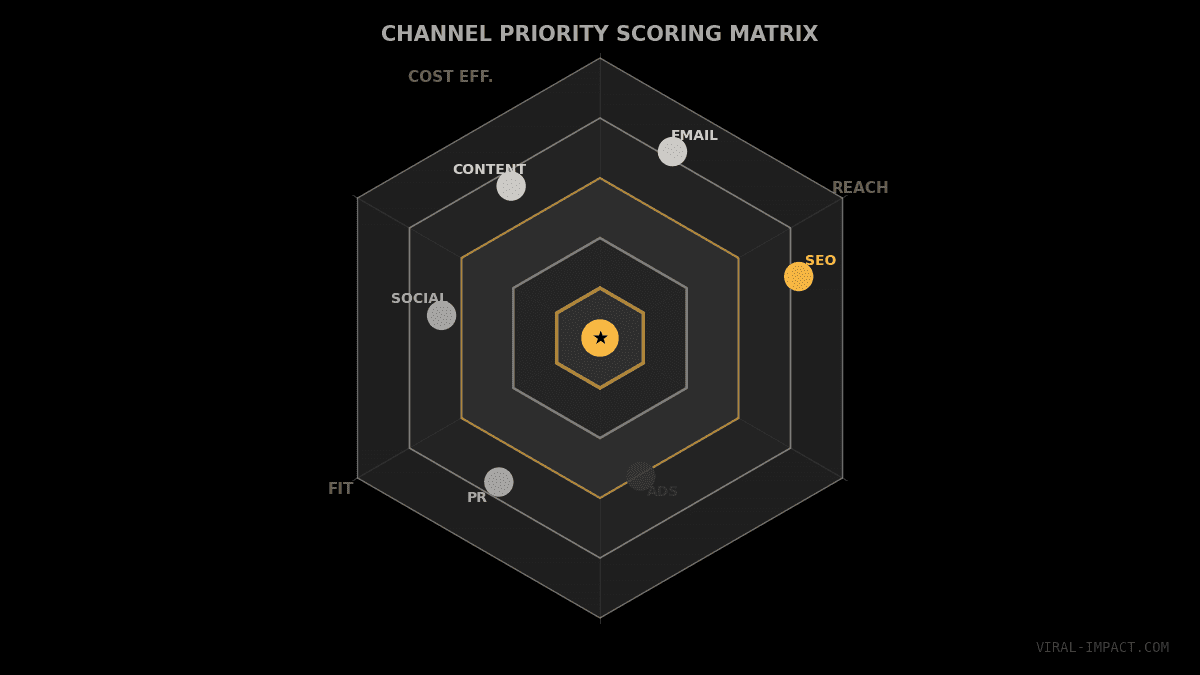
2. Score channels on three factors. For each option, assign a score of one to five on reach (how many target buyers are there), cost (how affordable consistent execution is), and fit (how well it aligns with your sales process).
3. Prioritize owned and earned channels first. Paid channels are rented traffic; results disappear the moment you stop spending. Channels like organic growth keep delivering value long after the initial work is done.
4. Commit to one or two channels initially. Startups that try to maintain five channels on a limited budget almost always fail on all five. Dominating one channel beats being mediocre across five.
5. Test with a defined budget and timeline. Allocate no more than 20 percent of your monthly budget to any new channel. Set a 60-day evaluation window and measure cost per lead, conversion rate, and pipeline value generated.
6. Reinvest returns to scale what works. A compounding SEO strategy means the cost per acquisition drops as domain authority and rankings strengthen over time.
The Highest-ROI Channels for Startups on a Budget
SEO and Content Marketing
SEO and Content Marketing deliver the best long-term return on investment for B2B companies. Every optimized article or landing page becomes a durable asset, driving organic traffic without ongoing spend. Strong blog writing paired with keyword research means your content attracts qualified leads long after publication. The Content Marketing Institute reports that content marketing costs 62 percent less than outbound while generating approximately three times as many leads.
Email Outreach
Email Outreach is one of the most cost-effective acquisition channels for startups. With proper targeting, personalization, and a clean deliverability setup, a well-executed email outreach campaign can generate a qualified pipeline for as little as $50 to $100 per lead. The channel is measurable, repeatable, and requires no advertising budget.
Guest Posting and PR
Guest Posting and PR work as force multipliers. When your brand appears on high authority industry publications, you earn backlinks alongside credibility. For companies without an established audience, strategic press placement builds trust faster than most other tactics.
Organic Social Media
Organic Social Media requires time rather than direct budget, making it viable on a minimal plan. LinkedIn performs particularly well for B2B companies. Consistent publishing of original insights and founder-led content builds brand awareness without paid amplification.
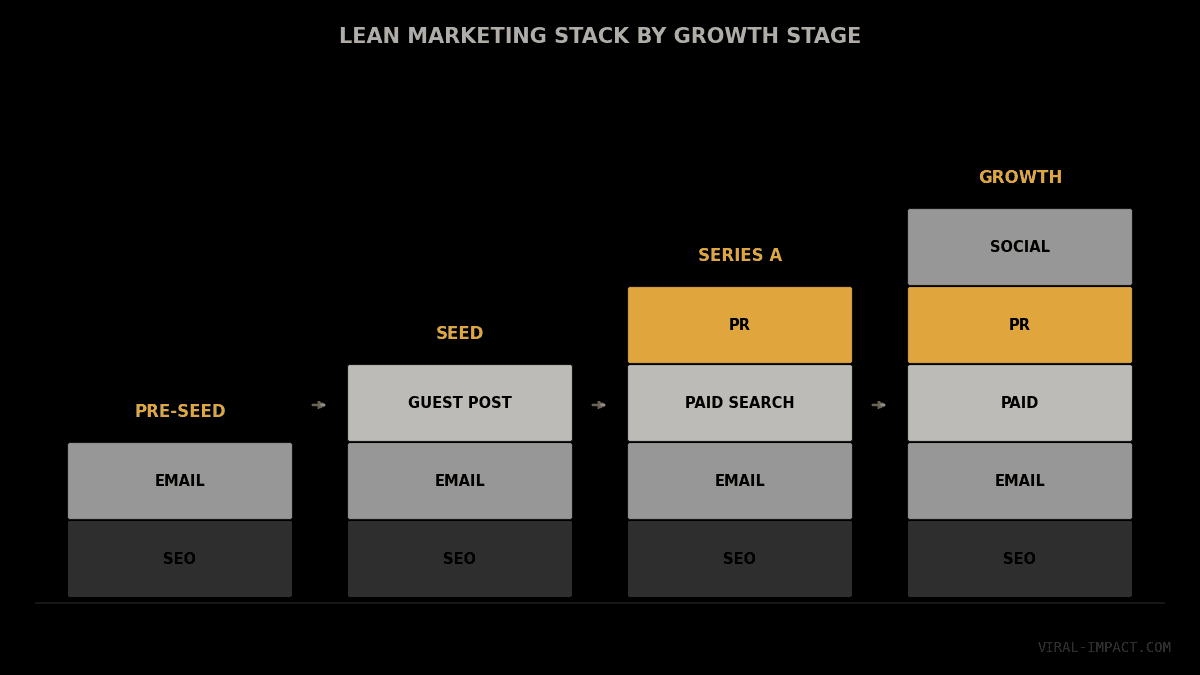
Table 2: Channel Strategy by Startup Growth Stage
Startup Stage | Recommended Channels | Budget Focus |
Pre-Seed | Content SEO, Cold Email, LinkedIn Organic | 100% owned and earned |
Seed | Content SEO, Email Outreach, Guest Posting | 70% owned, 30% paid test |
Series A | SEO, Paid Search, Email, PR | Diversified mix |
Growth | Full funnel multichannel strategy | Performance optimized |
Building a Lean Marketing Stack That Scales
Building a lean marketing stack means selecting only the channels you can execute consistently and well. A startup with one content writer and no design resources should not invest in video production or display advertising.
A realistic lean stack for an early-stage B2B company might include SEO driven blog content published twice per week, a weekly email newsletter, and an active LinkedIn profile posting three to four times weekly. This combination covers discovery, nurture, and conversion without a large team or significant monthly budget.
Understanding how to build a marketing funnel around your channel stack is the next critical step. Traffic must flow into a clear conversion path with defined CTAs, qualifying content, and follow-up sequences. According to McKinsey research, companies that track core KPIs, including traffic, conversion rate, and cost per lead, improve marketing ROI by over 40 percent on average.
Common Mistakes When Choosing Marketing Channels
Even with a solid framework, startups fall into the same traps. Watch for these errors:
• Copying competitor channels blindly. What works for a heavily funded competitor with established domain authority rarely translates to an early-stage startup starting from scratch.
• Ignoring the sales cycle. Choosing a channel with a two-week payback window when your sales cycle is six months produces misleading performance data and premature budget cuts.
• Measuring vanity metrics. Followers, impressions, and click rates mean little if they do not connect to pipeline and revenue. Always trace performance back to closed deals.
• Abandoning channels too early. SEO and content marketing require patience. Most startups quit after three months, just before compounding results begin to accelerate.
FAQs
Q1:What is the most cost-effective marketing channel for startups?
Email marketing consistently delivers the lowest customer acquisition cost for early-stage B2B startups. Combined with SEO driven content, these two channels form a compounding engine that generates leads without ongoing advertising spend.
Q2:How do I know which marketing channel is right for my business?
Map where your ideal customers spend time online, then evaluate each channel on three criteria: reach among your target audience, cost to execute consistently, and alignment with your sales cycle. Score each option before committing any budget.
Q3:How much should a startup spend on marketing channels?
Most early-stage startups should allocate between 10 and 15 percent of monthly revenue to marketing. If pre-revenue, start with $500 to $2,000 per month and prioritize owned and earned channels before testing paid options.
Q4:When should a startup add a new marketing channel?
Add a new channel only after your current primary channel generates consistent, predictable results. Expanding too early dilutes focus and makes it nearly impossible to identify what is actually driving growth.
Conclusion
Prioritizing marketing channels with a limited budget is not about playing it safe. It is about being ruthlessly focused with scarce resources and building on what works before exploring what sounds exciting. Startups that win on lean budgets understand their buyer deeply, choose channels that match that behavior, and execute consistently over time.
The compounding nature of owned and earned channels means the best time to start is now. Every week of SEO content, email outreach, or strategic PR adds to an asset base that appreciates over time rather than disappearing when a campaign ends. A lean channel stack built on the right channels always outperforms a scattered approach.
Ready to Build a Marketing Strategy That Makes Every Dollar Count?
Viral Impact builds organic growth systems designed for startups and early-stage companies. From SEO and targeted content to high-converting email campaigns, we help you invest your marketing budget where it drives the highest return. Visit Viral-Impact to explore how we work with companies like yours.
Read more

Learn which marketing skills remain irreplaceable as AI transforms search, content, and strategy for the next decade.

Learn how to reposition your startup brand after a pivot and maintain marketing momentum without losing your audience.

Learn the key differences between AEO and SEO and discover which strategy your startup should prioritize in 2026.