The Broken Link Building Method Reimagined for 2026
Search engines still run on links. That has not changed. What has changed is how hard it is to earn them the right way. Cold pitches get ignored. Paid placements risk penalties. Generic outreach templates land in spam folders before anyone reads them. Broken link building cuts through most of that noise because it starts with something site editors actually care about: a real problem on their own website.
The tactic has been around for years, but in 2026, it has evolved. Better tooling, smarter outreach, and tighter content strategy have made it one of the most reliable white-hat link acquisition methods available. This guide covers the full updated process, from finding dead links at scale to writing the kind of email that actually gets a response.
What Is Broken Link Building?
Broken link building is a white-hat SEO strategy where you find dead outbound links on third-party websites, create content that replaces what those links originally pointed to, and then contact the page owner to suggest your page as a natural fix.
The logic is straightforward. Every website accumulates dead links over time. Pages get deleted, domains expire, and redirects break. When that happens, site owners are left with 404 errors scattered across their content. Those errors frustrate visitors and quietly damage the site's own SEO. You are not asking for a favor. You are offering a genuine fix, and that single shift changes the entire outreach dynamic.
According to Ahrefs, more than 66 percent of pages on the web contain at least one dead outbound link. That is not a niche edge case. It is an open door across every industry and authority level.
Why It Still Works in 2026
Several link-building tactics faded fast after Google rolled out quality-focused updates in 2024 and 2025. Link farms were penalized. Mass guest posting networks lost most of their link equity. Broken link building survived that shift because the links it produces are genuinely editorial. You are not buying placement. You are earning it by solving a problem.
Here is why the method holds up under scrutiny:
• You are solving a real, verifiable problem for the site owner.
• The links earned are contextually relevant, sitting inside content already aligned with your topic.
• The approach does not require a PR budget, media contacts, or paid placement.
• It scales with effort rather than money, making it accessible for early-stage teams.
Google's spam enforcement has tightened significantly. White-hat methods like this one are not just safer. They are the only path to a backlink profile that survives the next round of algorithm updates.
How to Find Dead Links Worth Targeting
Start with competitor backlink analysis. Paste a competitor domain into Ahrefs Site Explorer, filter the backlink report by 404 status codes, and look for dead pages that still carry strong referring domain counts. A dead URL with 20 or more sites pointing to it is a high-value target worth building content around.
Follow this prospecting process step by step:
1. Pull competitor backlink profiles in Ahrefs Site Explorer and filter by broken outbound links returning 404 status.
2. Search Google for resource pages using operators like [topic] + "useful links" or "recommended reading."
3. Run the Check My Links Chrome extension on those resource pages to surface broken URLs instantly.
4. Export all dead URLs and sort by referring domain count from highest to lowest.
5. Prioritize pages where the dead link originally pointed to educational content, data reports, or comparison guides.
According to Moz's link-building guide, topical relevance consistently outweighs raw domain authority when measuring real link impact. A DR 50 site in your exact niche will move rankings faster than a DR 80 generalist site with no topical connection.
Building Replacement Content That Earns the Link
This is where most campaigns fall apart. Marketers identify the dead link, write a loosely related blog post, and pitch it as a replacement. It rarely works. Your replacement content needs to be clearly stronger than the original on multiple dimensions.
Focus your content upgrade on these three areas:
• Fresh data: Reference 2025 or 2026 statistics, updated research, and current real-world examples.
• Greater depth: Cover the angles and subtopics the original page missed entirely, not just the core topic.
• Higher usability: Add comparison tables, process breakdowns, downloadable assets, or tools that the original lacked.
Thorough keyword research matters here, too. If the dead page was ranking for a specific query, your replacement should target that exact search intent with a stronger content architecture. That gives site owners two reasons to link: it fixes their broken link, and it improves their own topical authority signal at the same time.
Writing Outreach Emails That Get Responses
Your outreach email is the final gate. Even a strong dead link opportunity fails if the message reads like a template. Effective broken link outreach consistently shares four traits:
• Lead with the problem: Mention the broken link in your first sentence, before any pitch or introduction.
• Be exact: Name the specific page URL and the anchor text the broken link appears under.
• Stay short: Three paragraphs is the absolute ceiling. Site owners do not read long emails from strangers.
• Make the swap easy: Provide your replacement URL directly so they can update the link without replying first.
Effective email outreach is built on clarity, not persuasion. A direct message that makes the fix frictionless will outperform any polished pitch. Skip the "I hope this email finds you well." Skip the company introduction. Get to the broken link in sentence one.
Scaling the Process Without Losing Precision
Volume matters in broken link building. Average response rates run between 8 and 12 percent, which means you need enough qualified prospects for the math to produce results worth the content investment.
Smart scaling follows a repeatable pattern:
• Build a prospect list of 50 to 100 qualified sites for each replacement content piece before sending a single email.
• Personalize each message with at least one specific observation about their page or publication.
• Send one follow-up after five to seven days. One reminder is professional. Three is spam.
• Track which content pieces generate the most link replies and allocate future content budget toward those formats.
Search Engine Journal data shows that personalized outreach emails achieve three to four times higher response rates than batch-sent templates. Personalization is not a nice-to-have at scale. It is where most of the response rate lives.
Integrating BLB Into Your Full SEO System
Broken link building works best when it feeds into a broader strategy rather than running as a standalone tactic. The domain authority you recover through reclaimed links compounds when your technical SEO, content depth, and on-page optimization are all working together.
Pair it with a complete SEO strategy that covers site health, content gaps, and semantic keyword targeting. It also complements guest posting, which builds authority on new referring domains. Broken link reclamation recovers authority already pointed in your direction.
A strong approach to link building compounds over time. One strong backlink accelerates indexing. Fifty strong backlinks earn consistent ranking positions. One hundred build a defensible authority position that competitors cannot easily replicate.
Common Mistakes That Kill Campaigns
Most broken link-building failures trace back to a short list of avoidable errors:
• Targeting low-authority pages where recovered links carry no meaningful ranking weight.
• Creating thin replacement content that fails to match the original page's actual scope and depth.
• Sending outreach to generic contact@ addresses instead of the specific author or content editor.
• Following up three or more times, triggering spam filters, and burning the contact permanently.
• Skipping the verification step and pitching content that does not actually match the dead link's original topic.
Fix these five habits, and your response rate will improve within your first two campaigns.
Link Building Tactics Comparison (2026)
The table below compares broken link building against other common tactics using current performance benchmarks:
Tactic | Avg. Response | Time to Link | Budget | Scalability |
Broken Link Building | 8 – 12% | 1 – 2 weeks | Low | High |
Guest Posting | 4 – 8% | 3 – 6 weeks | Medium | Medium |
Skyscraper Technique | 3 – 6% | 2 – 4 weeks | Medium-High | Low |
Resource Page Outreach | 5 – 10% | 2 – 3 weeks | Low | High |
Digital PR / HARO | 2 – 5% | 1 – 4 weeks | Low-Medium | Medium |
Top Tools for Broken Link Building in 2026
The following tools cover every stage of the broken link building workflow, from prospecting to outreach sequencing:
Tool | Primary Function | Free Tier | Best For |
Ahrefs | Backlink & broken link analysis | Limited trial | Scale prospecting across competitor profiles |
Screaming Frog | Full site crawl for 404 errors | Up to 500 URLs | In-depth on-site broken link audits |
Check My Links | Browser-based link checker | Yes | Quick resource page scanning |
Hunter.io | Contact email discovery | 25 searches/month | Finding the right outreach contact |
Pitchbox | Outreach campaign automation | No | Managing high-volume outreach sequences |
Ready to Build Backlinks That Actually Move Rankings?
Building a backlink profile that survives algorithm updates takes more than volume. It takes strategy, precision, and consistent execution. At Viral Impact, we handle every stage of the process, from dead link prospecting and replacement content creation to personalized outreach at scale. If you are ready to earn backlinks that genuinely improve your search visibility, our SEO strategy team is ready to get started. Reach out today and let us build your link profile the right way.
FAQs
Q1: How many broken link prospects do I need before starting outreach?
Aim for 30 to 50 qualified prospects per content piece before you begin sending emails. At an 8 to 12 percent response rate, that produces four to six positive replies per campaign, which is enough to justify the content investment.
Q2: Does broken link building work for new websites?
Yes, but set realistic expectations. Newer sites need to lead with exceptional content quality since domain reputation alone will not carry the pitch. Start by targeting sites in the DR 20 to DR 50 range and build authority incrementally from there.
Q3: How do I find the right contact for outreach?
Use Hunter.io or Apollo.io to find the email address of the actual author or content editor. Emails sent to named individuals consistently produce three to five times higher response rates compared to generic contact@ inboxes.
Q4: What content formats earn the most replacements?
Long-form guides, data-driven roundups, and updated statistical resources earn the most link swaps. Resource pages and comparison tables also perform well. Thin blog posts or product pages rarely convince site owners to update their links.
Q5: How long until I see ranking changes from broken link building?
Most campaigns produce first confirmed links within two to three weeks of outreach. Measurable ranking shifts typically appear eight to twelve weeks after the links go live, depending on crawl frequency and page authority.

Broken link building is not a new idea, but the version of it that works in 2026 looks different from what marketers were doing five years ago. The tooling is faster. The content bar is higher. The outreach has to be sharper. Treat it as a systematic, repeatable process rather than a one-off tactic, and it will become one of the most reliable link acquisition channels in your entire SEO operation.
Dead links are everywhere. The brands that find them first, build better content, and send the cleaner email will own the rankings that come with them.
Read more
Learn which marketing skills remain irreplaceable as AI transforms search, content, and strategy for the next decade.

Learn how to reposition your startup brand after a pivot and maintain marketing momentum without losing your audience.
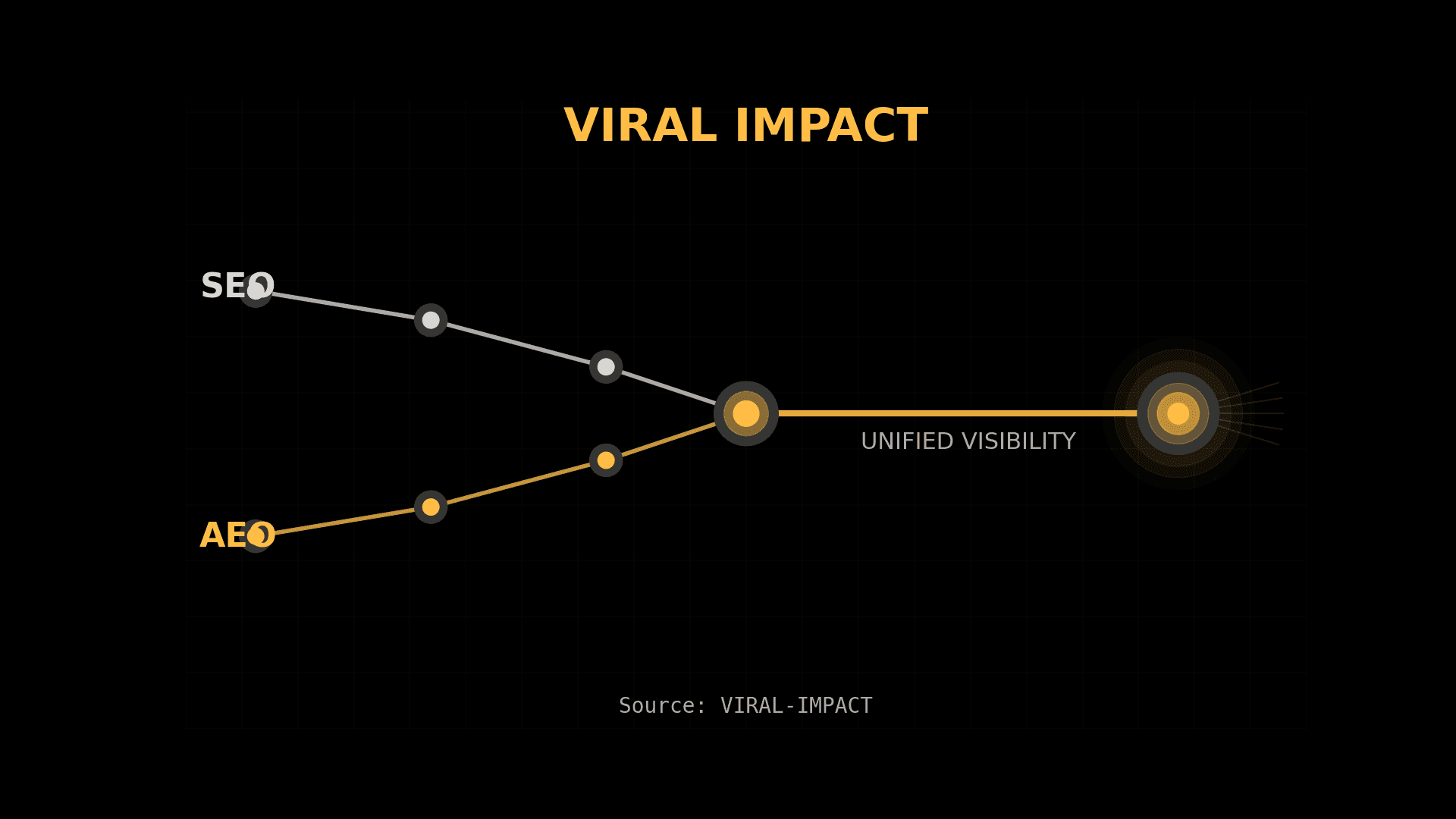
Learn the key differences between AEO and SEO and discover which strategy your startup should prioritize in 2026.