How to Create a Blog Content Strategy That Drives Traffic
Publishing blog posts without a strategy is like driving without a destination. You might move forward, but you'll never arrive anywhere meaningful.
A blog content strategy transforms random publishing into a systematic approach that attracts, engages, and converts your target audience. According to HubSpot, companies that blog consistently generate 67% more leads than those that don't. Yet most businesses publish content without a clear plan, and wonder why traffic never grows.
This guide walks you through building a content strategy that doesn't just drive traffic but delivers measurable business results.
What Is a Blog Content Strategy?
A blog content strategy is a documented plan that defines what content you'll create, who you'll create it for, how you'll distribute it, and how you'll measure success.
Unlike sporadic blogging, a strategic approach ensures every piece of content serves a purpose. It connects your business goals with your audience's needs, creating value at every touchpoint.
A complete blog strategy includes:
Defined target audience and buyer personas
Clear content goals aligned with business objectives
Editorial calendar with consistent publishing
Content themes and topic clusters
Distribution and promotion plan
Performance metrics and KPIs
Without these elements, content becomes guesswork. With them, your blog becomes a predictable traffic engine.
Step 1: Define Your Audience with Buyer Personas
Every successful content strategy starts with understanding exactly who you're writing for. Generic content written for "everyone" resonates with no one.
Buyer personas are semi-fictional representations of your ideal customers based on real data and research. They transform abstract audiences into specific individuals with names, challenges, and goals.
How to build effective buyer personas:
Analyse existing customers: Review your best clients. What industries are they in? What problems did they need solved?
Conduct interviews: Speak directly with customers about their challenges and decision-making processes.
Mine analytics data: Use Google Analytics to understand demographics and behaviour patterns.
Survey your audience: Ask email subscribers about their biggest challenges and content preferences.
According to Content Marketing Institute, brands using detailed personas create content that resonates more deeply because it addresses specific pain points.
Essential persona elements:
Element | Questions to Answer |
|---|---|
Demographics | Job title, industry, company size, location |
Goals | What are they trying to achieve professionally? |
Challenges | What obstacles prevent them from reaching goals? |
Information Sources | Where do they consume content? Which platforms? |
Content Preferences | Long-form articles, videos, podcasts, quick tips? |
Buying Triggers | What events prompt them to seek solutions? |
Our Brand & Positioning Strategy services help businesses develop comprehensive audience profiles that inform every marketing decision.
Step 2: Set Clear Content Goals
Content goals connect your blog to business outcomes. Without defined objectives, you can't measure success or justify investment in content creation.
Common blog content goals:
Increase organic traffic: Grow monthly visitors through search engine visibility
Generate qualified leads: Capture contact information from interested prospects
Build brand authority: Establish thought leadership in your industry
Support sales enablement: Create content that helps close deals faster
Each goal requires different content types and success metrics. A brand awareness goal might prioritise social shares, while a lead generation goal focuses on conversion rates.
Set SMART goals for your blog:
Specific: "Increase organic blog traffic" not "get more visitors"
Measurable: "Grow from 5,000 to 15,000 monthly sessions"
Achievable: Based on current resources and realistic growth rates
Relevant: Aligned with broader marketing and business objectives
Time-bound: "Within the next six months"
Example: "Increase organic blog traffic by 200% within six months by publishing two SEO-optimised articles per week targeting high-intent keywords."
Step 3: Conduct Strategic Topic Research
Topic research identifies what your audience actively searches for and ensures your content meets real demand. This step bridges audience understanding with content creation.
Three approaches to finding winning topics:
1. Pain Point Mining Your audience's challenges become your content opportunities. Review customer support tickets, sales call objections, industry forums, and social media conversations.
2. Competitor Content Analysis Study what's working for competitors: Which posts generate engagement? What gaps exist in their content you can fill?
3. Search Demand Validation Confirm topics have actual search volume using tools like Ahrefs or Semrush. Prioritise topics with reasonable volume and lower competition.
According to Backlinko, the best content topics sit at the intersection of audience interest, search demand, and your unique expertise.
Our Organic Growth Strategy services help businesses identify high-impact topics that attract qualified traffic.
Step 4: Build Content Pillars and Topic Clusters
Content pillars are comprehensive pieces covering broad topics, while topic clusters are related articles that link back to the pillar. This structure signals topical authority to search engines and creates better user experiences.
How the pillar-cluster model works:
Pillar content: A comprehensive guide covering a broad topic (2,000-4,000 words)
Cluster content: Focused articles addressing specific subtopics (1,000-2,000 words)
Internal linking: Every cluster article links to the pillar; the pillar links to all clusters
Example structure:
Pillar: "The Complete Guide to B2B Content Marketing"
Clusters:
How to Create a Content Calendar for B2B Companies
B2B Blog Writing Best Practices
Measuring Content Marketing ROI
Content Distribution Strategies for B2B
Repurposing Content Across Channels
This approach builds topical authority, helping your entire site rank better for related terms while keeping visitors engaged longer.
Step 5: Create an Editorial Calendar
An editorial calendar transforms strategy into action. It ensures consistent publishing, prevents last-minute scrambling, and keeps your team aligned.
Essential calendar elements:
Publication dates: When each piece goes live
Content titles: Working headlines for each article
Target keywords: Primary and secondary terms
Assigned writer: Who's responsible for creation
Status tracking:: Draft, review, scheduled, published
Publishing frequency guidelines:
Minimum viable: 1-2 posts per week for steady growth
Accelerated growth: 3-4 posts per week for faster results
Consistency matters more than volume. Publishing two quality articles weekly for a year beats publishing daily for two months then stopping.
Our Blog Content services help businesses maintain consistent publishing schedules with high-quality, SEO-optimised articles.
Step 6: Develop a Content Distribution Plan
Creating great content isn't enough. Content distribution ensures your articles reach the audiences who need them.
Owned channels:
Email newsletter to subscribers
Social media profiles (LinkedIn, X, Facebook)
Internal links from existing high-traffic pages
Earned channels:
Guest posting on industry publications
Influencer shares and mentions
Press coverage and media pickups
Paid channels:
Social media advertising
Content discovery platforms
Retargeting campaigns
Effective distribution workflow:
Day 1: Publish and share across owned social channels
Week 1: Send to email subscribers and share in relevant communities
Week 2-4: Repurpose into social media snippets and carousels
Ongoing: Update and reshare evergreen content quarterly
Explore how our LinkedIn and Newsletter Content services amplify content reach across key channels.
Step 7: Measure, Analyse, and Optimise
A blog content strategy is never finished. Continuous measurement reveals what works, what doesn't, and where to focus resources.
Key metrics to track:
Traffic metrics: Page views, unique visitors, traffic sources
Engagement metrics: Time on page, scroll depth, bounce rate
Conversion metrics: Email signups, lead form submissions
SEO metrics: Keyword rankings, organic traffic growth
Monthly review process:
Identify top-performing content and analyse why it worked
Find underperforming content and determine improvement opportunities
Update outdated articles with fresh information
Adjust editorial calendar based on performance insights
Our SEO & GEO Optimisation services help businesses track, analyse, and improve content performance over time.


Ready to Build a Blog Content Strategy That Delivers Results?
A blog content strategy isn't a one-time project, it's an ongoing system that compounds over time. The businesses winning with content today invested in strategy months or years ago.
At Viral Impact, we help B2B and SaaS companies build content strategies that drive organic traffic, generate qualified leads, and establish lasting authority. From audience research and editorial planning to content creation and distribution, our integrated approach ensures every article works toward your business goals.
Stop publishing content that disappears. Start building a blog that becomes your most valuable marketing asset.
Visit www.viral-impact.com to get started.
Read more

Learn which marketing skills remain irreplaceable as AI transforms search, content, and strategy for the next decade.

Learn how to reposition your startup brand after a pivot and maintain marketing momentum without losing your audience.
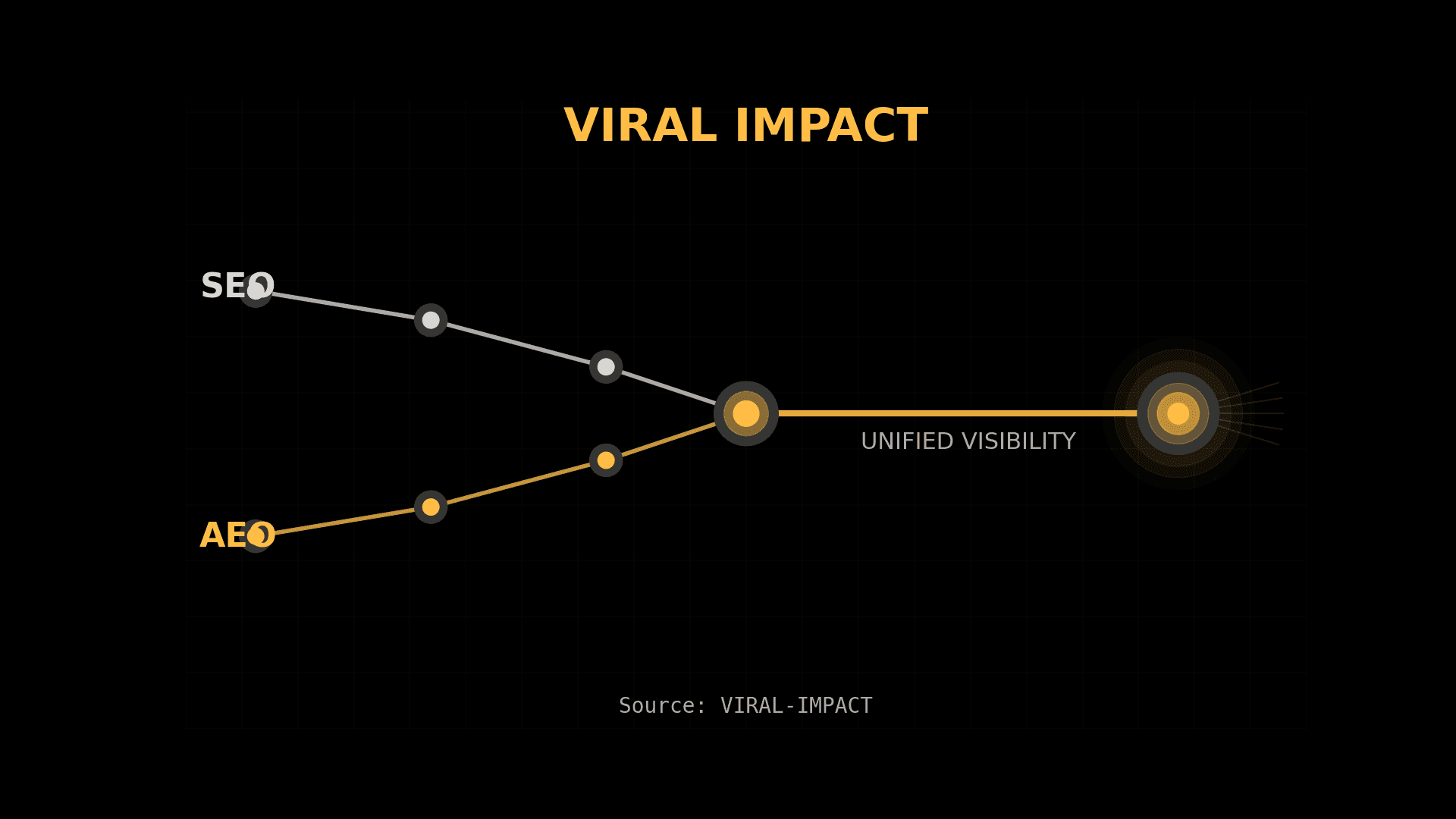
Learn the key differences between AEO and SEO and discover which strategy your startup should prioritize in 2026.