Predictive Intelligence for Next Generation GTM Outcomes

The traditional go-to-market playbook is broken.
Sales teams are drowning in data but starving for insights. Marketing campaigns spray messages hoping something sticks. Revenue forecasts are educated guesses dressed up in spreadsheets.
Meanwhile, a quiet revolution is reshaping how winning companies approach market entry and revenue growth. This revolution isn't about working harder, it's about leveraging predictive intelligence to make GTM decisions with unprecedented accuracy.
Predictive intelligence transforms go-to-market strategy from art into science, replacing intuition with data-driven foresight and reactive tactics with proactive orchestration.
For B2B companies and SaaS startups, the question is no longer whether to adopt predictive intelligence, it's how quickly you can build it into your GTM infrastructure before competitors leave you behind.
What Is Predictive Intelligence? Beyond the Buzzwords
Predictive intelligence applies machine learning, statistical modeling, and AI to forecast future outcomes based on historical patterns, market signals, and behavioral data.
In GTM contexts, it answers critical questions traditional analytics can't:
Which prospects will convert in the next 30 days? What messaging will resonate with each segment? Where should we allocate budget for maximum ROI? Which features will drive expansion revenue? How will competitive moves impact our pipeline?
This shift from descriptive ("what happened") to predictive ("what will happen") and prescriptive ("what should we do") represents the next evolution in GTM sophistication.
The Intelligence Stack: How Predictive Systems Actually Work
Predictive intelligence for GTM isn't a single tool, it's an integrated stack of data sources, models, and decisioning systems working in concert.
Layer 1: Data Foundation
Everything starts with comprehensive data aggregation from CRM systems, product analytics, marketing platforms, external market signals, and competitive intelligence. The quality and breadth of this foundation directly determines prediction accuracy.
Layer 2: Feature Engineering
Raw data becomes predictive when transformed into meaningful signals. For example, "company size" is raw data. "Companies with 50-200 employees that recently raised Series A and are hiring sales roles" is an engineered feature that predicts buying intent. Strong systems continuously test thousands of feature combinations to identify patterns that forecast future behavior.
Layer 3: Machine Learning Models
Machine learning models analyze historical outcomes to understand which signal combinations predict future events. Classification models predict binary outcomes (will this lead convert?), regression models forecast continuous outcomes (customer lifetime value), clustering models identify natural segments, and time series models forecast trends. The most sophisticated systems use ensemble approaches, combining multiple models for greater accuracy.
Layer 4: Decisioning and Orchestration
Predictions drive action through decisioning layers that translate model outputs into specific recommendations: prioritize these prospects for outreach, shift budget allocation, trigger expansion conversations, or adjust pricing. Modern systems automatically orchestrate actions across your GTM stack when integrated with CRM and pipeline automation infrastructure.
The Competitive Advantage: Why Predictive GTM Outperforms Traditional Approaches
Companies leveraging predictive intelligence consistently outperform those relying on traditional GTM methods. The advantages compound across every growth metric.
Precision Targeting: From Spray and Pray to Surgical Strikes
Traditional GTM casts wide nets hoping to catch fish. Predictive GTM identifies exactly where fish are swimming, what they're feeding on, and when they're most likely to bite.
For B2B companies, this means identifying which specific accounts are entering buying windows right now. Sales teams focus on high-probability opportunities instead of wasting cycles on prospects who won't buy for months.
One SaaS company reduced their prospect list from 5,000 accounts to 400 high-probability targets using predictive scoring. Their conversion rate increased by 340% while sales effort decreased by 60%. When combined with a strategic go-to-market strategy, the results were transformative.
Dynamic Resource Allocation: Optimization in Real-Time
Traditional GTM sets annual budgets and watches helplessly as market conditions change. Predictive GTM enables continuous reallocation based on evolving opportunities. When enterprise customers show 3X higher conversion intent than mid-market prospects, the system automatically adjusts targeting and budget allocation. Marketing dollars flow toward highest-ROI channels in real-time rather than quarterly.
Personalization at Scale: Relevance Without Manual Labor
Hyper-personalized outreach drives better results, but personalizing for thousands of prospects manually is impossible. Predictive systems automatically generate personalized messaging based on each prospect's characteristics, behaviors, and predicted preferences. An AI-driven prospecting and personalization approach creates communications that feel individually crafted while scaling to thousands.
The result: email open rates 2-3X above industry averages, meeting booking rates 5X higher than traditional approaches, and sales cycles that compress by 30-40%.
Risk Mitigation: Seeing Problems Before They Manifest
Predictive intelligence detects risks before they impact revenue. Churn prediction models identify at-risk customers months before cancellation, enabling proactive retention. Pipeline health models flag deals likely to slip, allowing early intervention. Market shift detection alerts teams to competitive threats before they impact bookings. This early warning capability transforms GTM from reactive firefighting to proactive orchestration.
Predictive Applications Across the GTM Spectrum
Predictive intelligence creates value across every GTM function. Here's how leading companies apply it:
Sales: From Pipeline Management to Pipeline Acceleration
Predictive sales teams accelerate pipelines by focusing energy where it matters most. Lead scoring identifies which prospects will convert, deal velocity predictions forecast closing timelines, optimal timing models determine when to engage for maximum conversion, and cross-sell predictions identify expansion opportunities before customers signal interest. Companies implementing predictive sales report 25-40% increases in win rates and 15-30% reductions in sales cycle length.
Marketing: From Campaign Execution to Outcome Engineering
Predictive marketing transforms campaigns from creative exercises into engineered outcomes. Channel effectiveness predictions determine optimal budget allocation, content affinity models identify which topics resonate with segments, engagement trajectory forecasting predicts which leads will become sales-qualified, and attribution modeling reveals true ROI. Marketing teams optimizing for predicted revenue outcomes typically see efficiency gains of 40-60%.
Product: From Roadmap Speculation to Market-Driven Development
Product teams traditionally rely on customer interviews and surveys. Predictive intelligence adds behavioral reality to subjective feedback. Usage pattern analysis predicts which features drive retention, adoption forecasting identifies which capabilities will achieve meaningful penetration, and churn risk models reveal which product experiences correlate with customer loss. Companies building products guided by predictive intelligence ship features that drive business metrics rather than features customers claim they want but never use.
Customer Success: From Reactive Support to Proactive Value Delivery
Predictive intelligence transforms customer success from firefighting to value acceleration. Health score models predict account risk and expansion potential, usage trajectory forecasting identifies customers likely to hit milestones or encounter obstacles, and expansion readiness predictions identify optimal moments for upsell conversations. CS teams with predictive intelligence achieve 30-50% reductions in churn and 2-3X increases in expansion revenue per account.
Building Your Predictive Intelligence Capability: A Practical Framework
Most companies understand predictive intelligence is valuable but struggle with where to start. Here's a pragmatic implementation approach:
Foundation Building: Establish clean data infrastructure by auditing existing sources, integrating disparate systems (CRM, marketing automation, product analytics), and defining key outcomes you want to predict.
Model Development: Build predictive models starting with high-impact use cases like lead scoring and churn prediction. Use ensemble approaches for better accuracy and create feedback loops for continuous improvement.
Integration and Orchestration: Connect predictions to operational workflows through dashboards, CRM integration, and automated actions. This phase often requires aligning predictive systems with your outreach strategy and cold email infrastructure.
Optimization and Scaling: Monitor accuracy, expand to new use cases, and increase automation where appropriate. The most sophisticated organizations treat predictive intelligence as living infrastructure that evolves with their business.
Partner with experts who understand both organic growth strategy and technical implementation to ensure your foundation aligns with business objectives.
The Human Element: Augmentation, Not Replacement
Predictive intelligence doesn't eliminate human judgment, it elevates decision-making by freeing people from data processing to focus on strategic thinking and relationship building.
Sales reps become more effective by focusing on high-probability opportunities. Marketing teams gain clarity about which creative directions will drive outcomes. Product managers make better-informed prioritization decisions backed by behavioral data.
The companies achieving greatest success combine machine intelligence with human expertise. Systems identify patterns and forecast outcomes; humans interpret context, build relationships, and make nuanced judgments that algorithms can't replicate. This human-machine collaboration represents the future of high-performing GTM organizations.
The Competitive Imperative: Why Waiting Is Losing
The gap between companies leveraging predictive intelligence and those using traditional GTM methods is widening rapidly.
Early adopters enjoy compounding advantages: more accurate targeting reduces customer acquisition costs, better forecasting enables efficient resource allocation, proactive risk detection prevents revenue loss, and continuous optimization drives sustained efficiency gains. These advantages create flywheels that strengthen competitive positioning.
Meanwhile, companies delaying adoption face deteriorating positions. They waste resources on low-probability prospects, miss buying windows, and make strategic decisions based on lagging indicators while markets evolve. The cost of waiting isn't just missed opportunity, it's erosion of existing market position as agile competitors capture opportunities you can't identify.
From Insight to Impact: Making Predictive Intelligence Actionable
Understanding predictive intelligence theoretically and implementing it practically are different challenges. Here's how to translate knowledge into results:
Start with business outcomes, not technology: Don't ask "how do we implement AI?" Ask "what outcomes would we achieve if we could predict X?" Let desired outcomes guide technology choices.
Prioritize quick wins: Begin with high-impact, low-complexity use cases that demonstrate value quickly. Early wins build organizational buy-in.
Invest in data infrastructure: Predictive systems are only as good as their training data. Cleaning and integrating data isn't glamorous, but it's foundational.
Build cross-functional alignment: Predictive GTM requires collaboration across sales, marketing, product, and customer success.
At Viral Impact, we help companies build predictive intelligence capabilities that drive measurable GTM outcomes. Our approach integrates brand positioning strategy, SEO and GEO optimization, and data-driven execution to create growth engines that compound over time.

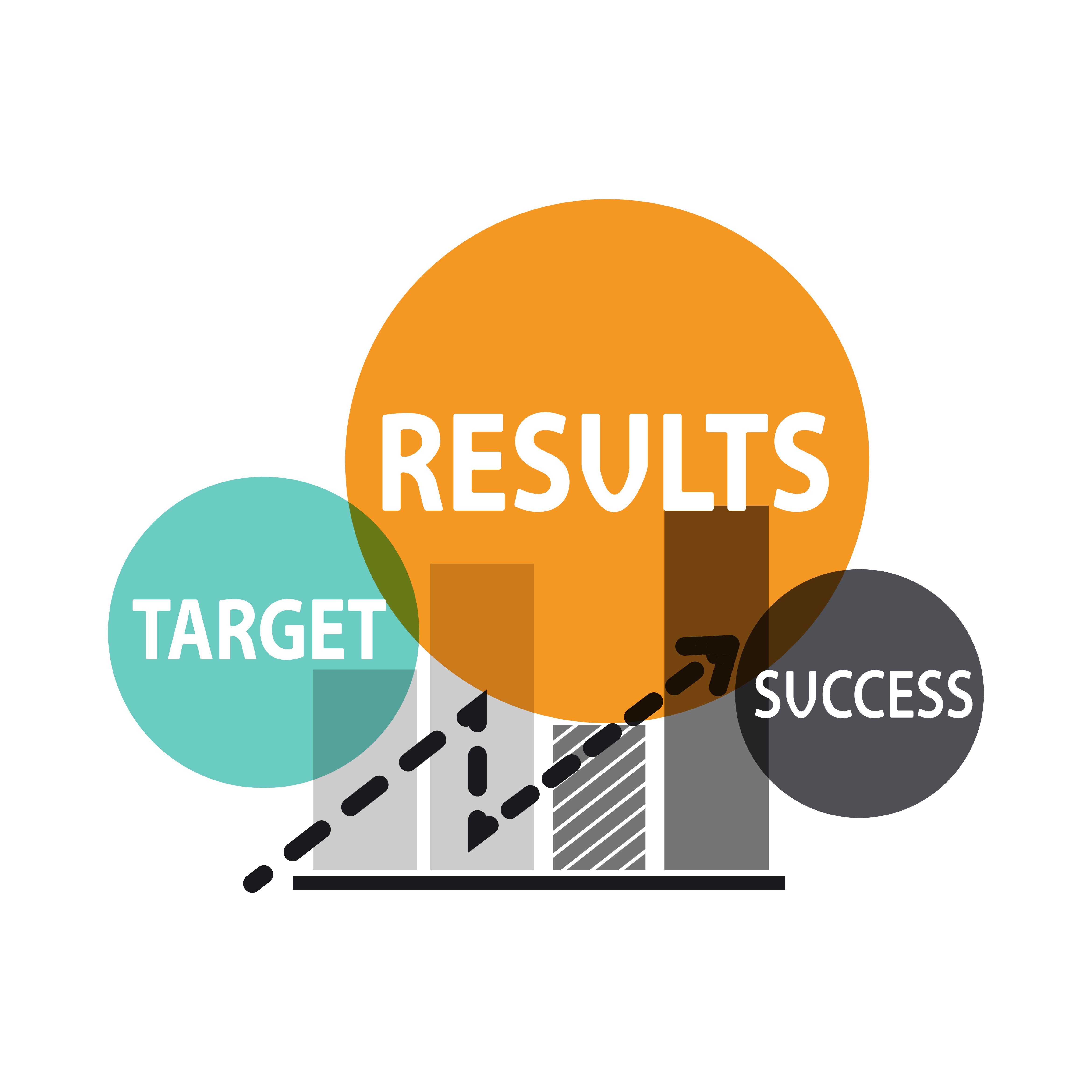
The Next Generation of GTM: Predictive, Proactive, Profitable
The future of go-to-market strategy isn't about working harder, it's about working smarter through predictive intelligence.
Companies that embrace this shift will dominate their categories. They'll identify opportunities faster, allocate resources more efficiently, personalize at scale, and mitigate risks proactively.
Those that cling to traditional methods will find themselves outmaneuvered by competitors who see the future before it arrives.
The technology exists. The methodologies are proven. The competitive advantages are measurable.
The only question is: will you lead the next generation of GTM, or chase it?
Explore how Viral Impact helps companies build predictive intelligence into their go-to-market strategy, or schedule a strategy session to discuss your specific growth objectives.
The future of GTM is predictive. The only question is when you'll embrace it.
Read more

Learn which marketing skills remain irreplaceable as AI transforms search, content, and strategy for the next decade.

Learn how to reposition your startup brand after a pivot and maintain marketing momentum without losing your audience.
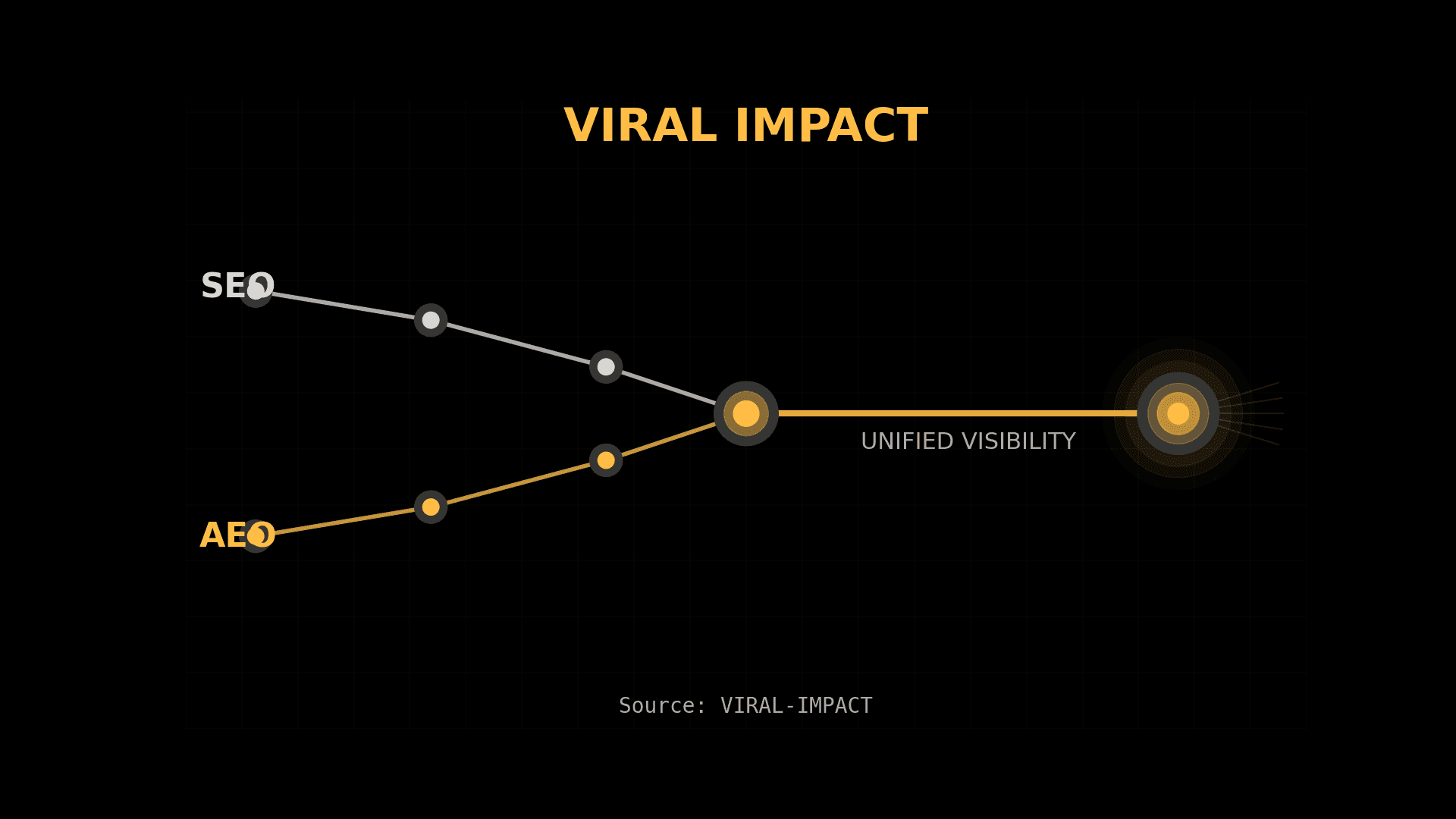
Learn the key differences between AEO and SEO and discover which strategy your startup should prioritize in 2026.