The Best Website Structure for B2B Companies: How It Drives Leads?

Introduction
In the competitive landscape of B2B marketing, your website structure can make or break your digital success. While many companies focus on aesthetics and content, the underlying architecture of your site determines how effectively you convert visitors into qualified leads.
A well-planned B2B website structure doesn't just improve navigation, it directly impacts your search engine rankings, user experience, and ultimately, your bottom line. According to recent studies, B2B buyers consume an average of 13 pieces of content before making a purchase decision, and 89% of them start their journey with a search engine.
This comprehensive guide will walk you through the essential elements of creating a high-performing website structure that attracts, engages, and converts your ideal clients.
Why Website Structure Matters for B2B Companies
Before diving into the specifics, let's understand why website architecture is particularly critical for B2B organizations:
• SEO Performance: Search engines crawl and index your site based on its structure. A logical hierarchy helps Google understand your content relationships and page importance.
• User Experience: B2B buyers are sophisticated researchers. They need to find information quickly, understand your offerings clearly, and move seamlessly through the buyer's journey.
• Conversion Optimization: Every page should guide visitors toward a specific action. Poor structure creates friction; great structure creates momentum.
• Scalability: As your business grows, your website needs to accommodate new products, services, and content without becoming chaotic.
The Foundation: Core Pages Every B2B Website Needs
1. Homepage
Your homepage serves as the digital front door to your business. It should immediately communicate:
• What you do
• Who you serve
• Why you're different
• Where visitors should go next
Best practices for homepage structure:
Clear value proposition above the fold
Strategic navigation menu with 5-7 primary categories maximum
Prominent call-to-action buttons
Social proof elements (client logos, testimonials)
2. Service/Product Pages
These are your money pages, where conversions happen. Each service page or product page should follow this structure:
• Problem statement (what pain points you solve)
• Solution overview (how you solve them)
• Benefits and features
• Social proof (case studies, testimonials, results)
• Clear call-to-action
If you offer multiple services like brand strategy, SEO optimization, or web development, create dedicated pages for each offering. This approach allows you to target specific keywords and speak directly to different audience segments.
3. About Page
B2B buyers want to know who they're working with. Your about page should build trust and credibility by showcasing:
• Company mission and values
• Team expertise and credentials
• Company history and milestones
• Awards and recognition
• Client testimonials
4. Case Studies/Portfolio Page
Nothing sells like proven results. Create a dedicated section showcasing your best work, organized by:
• Industry vertical
• Service type
• Client size
• Results achieved
Each case study should follow a storytelling structure: challenge, solution, results.
5. Blog/Resources Section
A well-structured content marketing hub positions your company as a thought leader and drives organic traffic. Your blog should be organized by:
• Categories (by topic or service area)
• Tags (for specific subtopics)
• Author pages (for thought leadership)
• Search functionality
• Related content recommendations
6. Contact Page
Make it easy for prospects to reach you. Include:
• Multiple contact methods (form, email, phone)
• Office locations and hours
• Social media links
• Expected response time
• FAQ section addressing common questions
The Ideal Information Architecture
Flat vs. Deep Structure
For B2B websites, a flatter structure generally works better than a deep one. Aim for a structure where any page is accessible within 3 clicks from the homepage.
Hierarchy Example:
This structure allows for clear categorization while keeping content accessible.
Navigation Best Practices for B2B Websites
Your website navigation is the roadmap that guides visitors through your content. Here's how to optimize it:
Primary Navigation:
• Limit to 5-7 main categories
• Use clear, descriptive labels (avoid jargon)
• Implement dropdown menus for subcategories
• Include a prominent CTA button (e.g., "Get Started" or "Book a Consultation")
Secondary Navigation: • Footer menu with additional links (privacy policy, terms, careers) • Breadcrumb navigation for deeper pages
SEO-Optimized Website Structure
A strategic SEO structure ensures search engines can effectively crawl, understand, and rank your content.
URL Structure: Use clean, descriptive URLs that include target keywords: • Good: yoursite.com/services/seo-strategy • Bad: yoursite.com/page?id=123
Internal Linking Strategy: Create a web of relevant connections between pages:
• Link from high-authority pages to important conversion pages
• Use descriptive anchor text (not just "click here")
• Implement related content suggestions
• Create topic clusters around pillar pages
Site Speed and Technical SEO: Structure impacts performance. Optimize by:
• Minimizing redirect chains
• Implementing lazy loading for images
• Using a content delivery network (CDN)
• Compressing files and code
According to research from Google, 53% of mobile users abandon sites that take longer than 3 seconds to load.
Creating Content Silos and Topic Clusters
Modern SEO strategy relies on topic clusters, a hub-and-spoke model where you create:
Pillar Pages: Comprehensive guides on broad topics (e.g., "Complete Guide to B2B Marketing")
Cluster Content: Detailed articles on specific subtopics (e.g., "Email Marketing Best Practices," "LinkedIn Lead Generation")
Internal Linking: All cluster content links back to the pillar page and vice versa
This approach signals to search engines that you're an authority on the topic, improving rankings for all related keywords.
Conversion-Focused Website Architecture
Every element of your structure should guide visitors toward conversion. Implement these conversion optimization strategies:
Strategic CTA Placement:
• Homepage: Primary CTA above fold, secondary CTAs throughout
• Service pages: Multiple CTAs at different scroll depths
• Blog posts: Contextual CTAs related to content topic
Lead Nurturing Paths: Create clear pathways for different stages of awareness:
• Top of funnel: Educational content, guides, blog posts
• Middle of funnel: Case studies, webinars, free consultations
• Bottom of funnel: Demos, pricing pages, proposal requests
Tools and Platforms for Building B2B Websites
Choosing the right platform impacts your ability to create and maintain an optimal structure:
Framer: Best for design-forward B2B companies wanting complete creative control with modern, fast-loading sites. Ideal for SaaS and tech companies prioritizing aesthetics and performance.
Webflow: Perfect for teams needing visual design flexibility combined with CMS capabilities. Great for content-heavy B2B sites with complex requirements.
WordPress: The classic choice for companies needing extensive plugins, integrations, and scalability. Best when paired with professional optimization for speed and security.
Each platform has its strengths, but the key is implementing proper structure regardless of technology choice. If you're looking to build a high-performing B2B website, consider working with experts who specialize in Framer development, Webflow development, or WordPress development.
Common B2B Website Structure Mistakes to Avoid
Even experienced companies make these critical errors:
1. Too Many Navigation Items Overwhelming visitors with 10+ menu options creates decision paralysis. Simplify and prioritize.
2. Unclear Value Proposition If visitors can't understand what you do within 5 seconds, they'll leave. Make your positioning crystal clear.
3. Missing or Weak CTAs Every page needs a clear next step. Don't make visitors guess what to do.
4. Poor Mobile Experience With 60%+ of B2B research happening on mobile, responsive design isn't optional, it's essential.
Real-World Examples of Excellent B2B Website Structure
Slack: Clean homepage with clear value prop, intuitive product navigation, robust resource library organized by use case and industry.
HubSpot: Masterclass in content organization with clear service offerings, extensive educational resources, and seamless lead nurturing paths.
Stripe: Technical excellence with developer-focused navigation, comprehensive documentation structure, and clear product hierarchies.
These companies succeed because they've built structures that serve both user needs and business objectives.
For more insights on creating effective website structures, check out this comprehensive guide to B2B website best practices from HubSpot and this detailed resource on conversion optimization from Neil Patel.
Measuring and Improving Your Website Structure
Once your structure is live, continuously optimize based on data:
Key Metrics to Monitor:
• Bounce rate by page type
• Average time on site
• Pages per session
• Conversion rate by traffic source
• Exit pages and drop-off points
Testing and Optimization:
• A/B test navigation variations
• Heat map analysis for user behavior
• Regular technical SEO audits

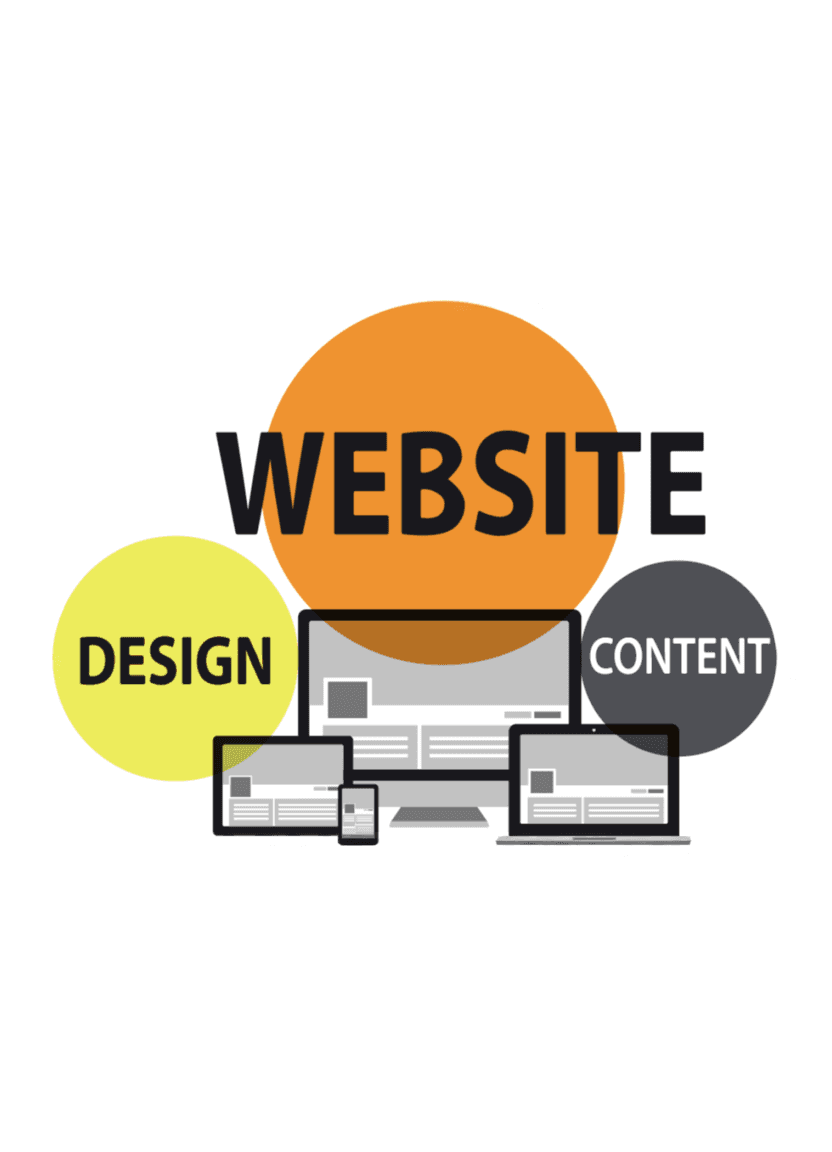
Your Website Structure Roadmap to Success
Building the perfect B2B website structure isn't a one-time project, it's an ongoing process of refinement and optimization. Start with solid foundations, implement best practices, and continuously improve based on data and user feedback.
Whether you're launching a new site or restructuring an existing one, remember these core principles:
• Prioritize user needs over organizational preferences
• Keep it simple and intuitive
• Optimize for both search engines and humans
• Guide visitors toward clear conversion paths
• Build for scalability and growth
The companies that win in B2B aren't necessarily those with the flashiest designs or most content, they're the ones with structures that make it effortless for the right buyers to find what they need, understand the value, and take action.
Ready to transform your B2B website into a lead-generating machine?
A well-architected site combined with strategic SEO, compelling content, and conversion-focused design creates unstoppable momentum. If you're looking to elevate your digital presence, explore how comprehensive brand positioning strategy and go-to-market planning can amplify your results.
The structure you build today determines the growth you achieve tomorrow. Make it count.
Read more
Learn which marketing skills remain irreplaceable as AI transforms search, content, and strategy for the next decade.

Learn how to reposition your startup brand after a pivot and maintain marketing momentum without losing your audience.
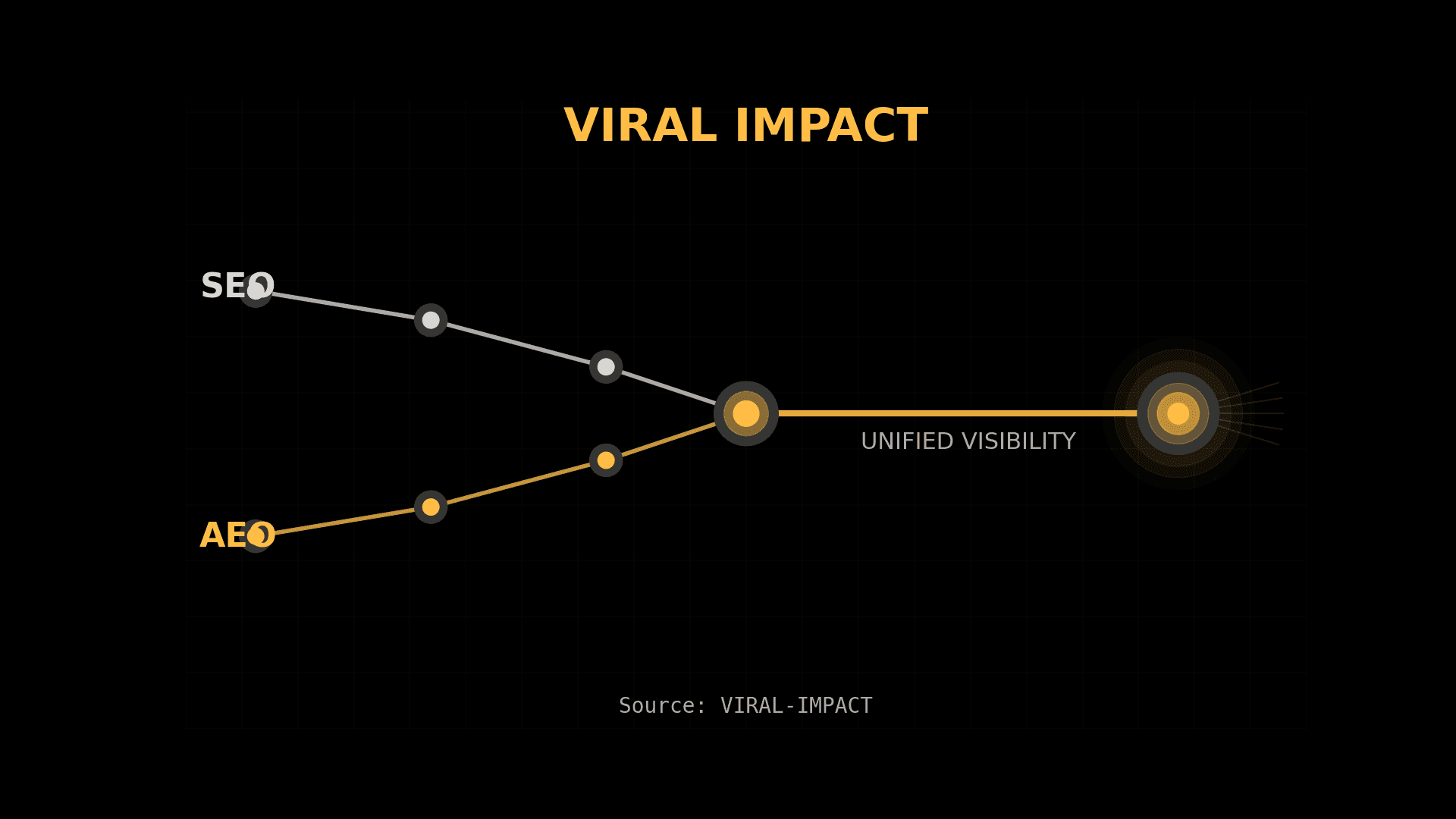
Learn the key differences between AEO and SEO and discover which strategy your startup should prioritize in 2026.