The Psychology Behind Shareable B2B Content That Converts
Most B2B marketers obsess over what they publish: the topic, the format, the distribution channel. But the more important question is why some content spreads organically while equally well-written pieces barely get noticed. The answer is not in the algorithm. It lives in human psychology.
Shareable B2B content triggers specific responses that compel professionals to engage, share, and return. Understanding this psychology is no longer optional; it is the competitive advantage separating brands that grow organically from those paying for every single impression. Whether you are producing thought leadership, research reports, or strategic guides, the same psychological principles govern what earns shares and what gets ignored. This article breaks down exactly what drives B2B content virality and how to architect it into every piece you publish.
Why Psychology Matters More Than Platform
B2B buyers are still human. Despite longer decision cycles and rational justifications, research shows that emotional factors influence up to 50% of B2B purchasing decisions, according to the LinkedIn B2B Institute. When content resonates emotionally, it earns shares, and shares earn authority.
The critical mistake most B2B brands make is stripping content of emotion in an attempt to appear professional. Professionals share content that makes them look knowledgeable, validates their own worldview, or genuinely helps their team. Triggering those motivations requires psychological awareness, not just editorial discipline. The brands that master this distinction will always outperform those treating content as a box to check.
The Core Psychological Triggers That Drive Sharing
Every piece of B2B content that earns meaningful reach activates one or more specific psychological drivers. Identifying the right trigger before you write, not after, is the difference between engineered shareability and accidental virality.
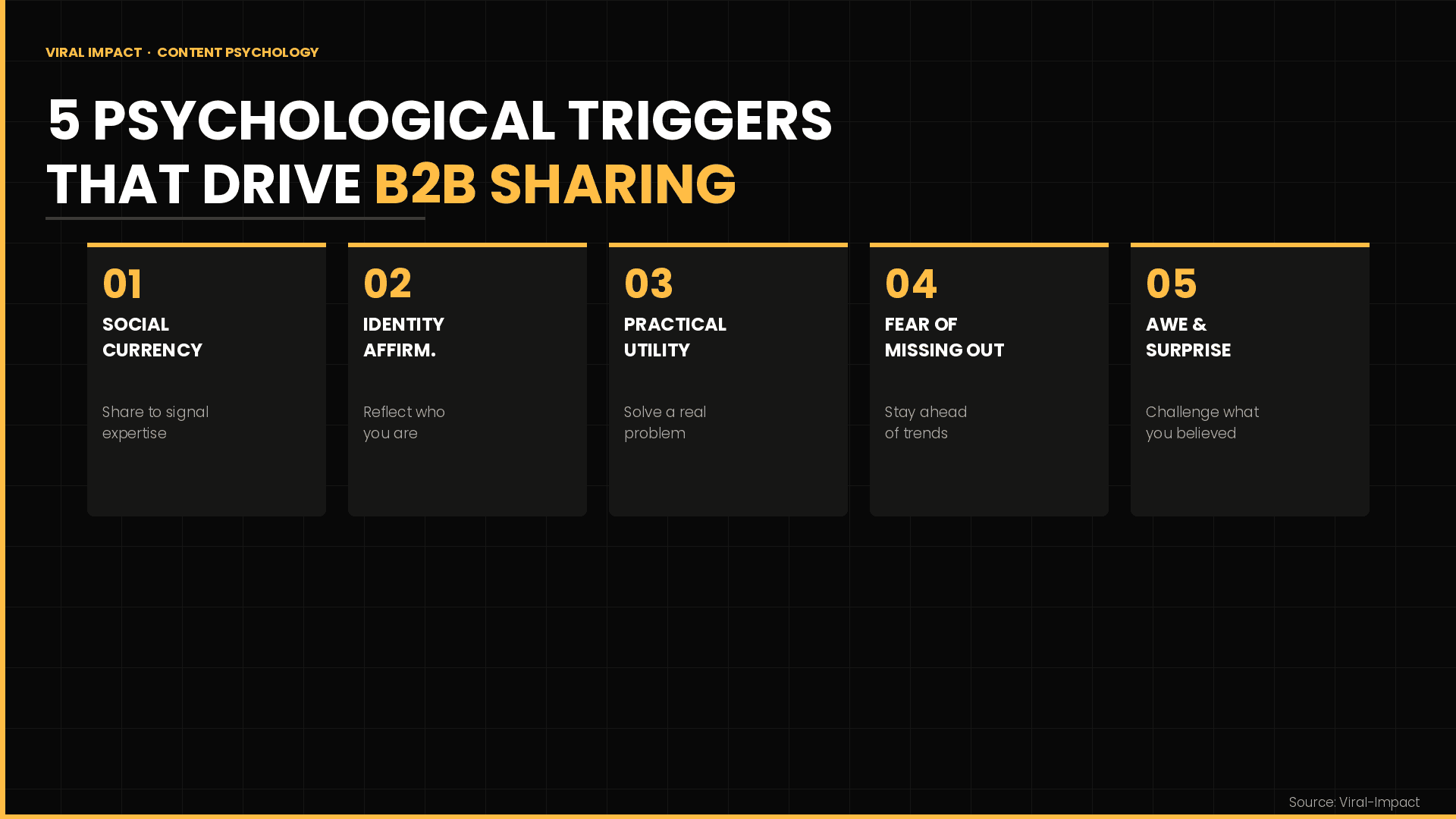
The most consistent psychological triggers in B2B content marketing include:
• Social currency: Sharing valuable information makes professionals appear informed and generous. Specific, teachable content gets shared far more than broadly inspirational content.
• Identity affirmation: People share content that reflects how they see themselves professionally. A piece positioned for forward-thinking CMOs invites shares from CMOs who want to confirm that identity.
• Fear of missing out: Trend reports, State of the Industry data, and competitive benchmarks tap into the fear of being left behind, especially powerful for tech audiences.
• Practical utility: Content that solves a real, immediate problem earns shares because it delivers ongoing value beyond the initial read.
• Awe and surprise: Data that challenges assumptions or reveals something unexpected triggers genuine surprise, which consistently drives LinkedIn sharing behavior.
According to the New York Times Consumer Insight Group, the primary reason professionals share content is to bring valuable information to others. In B2B, valuable almost always translated directly to professional utility or exclusive industry insight.
Trust Is the Non-Negotiable Foundation
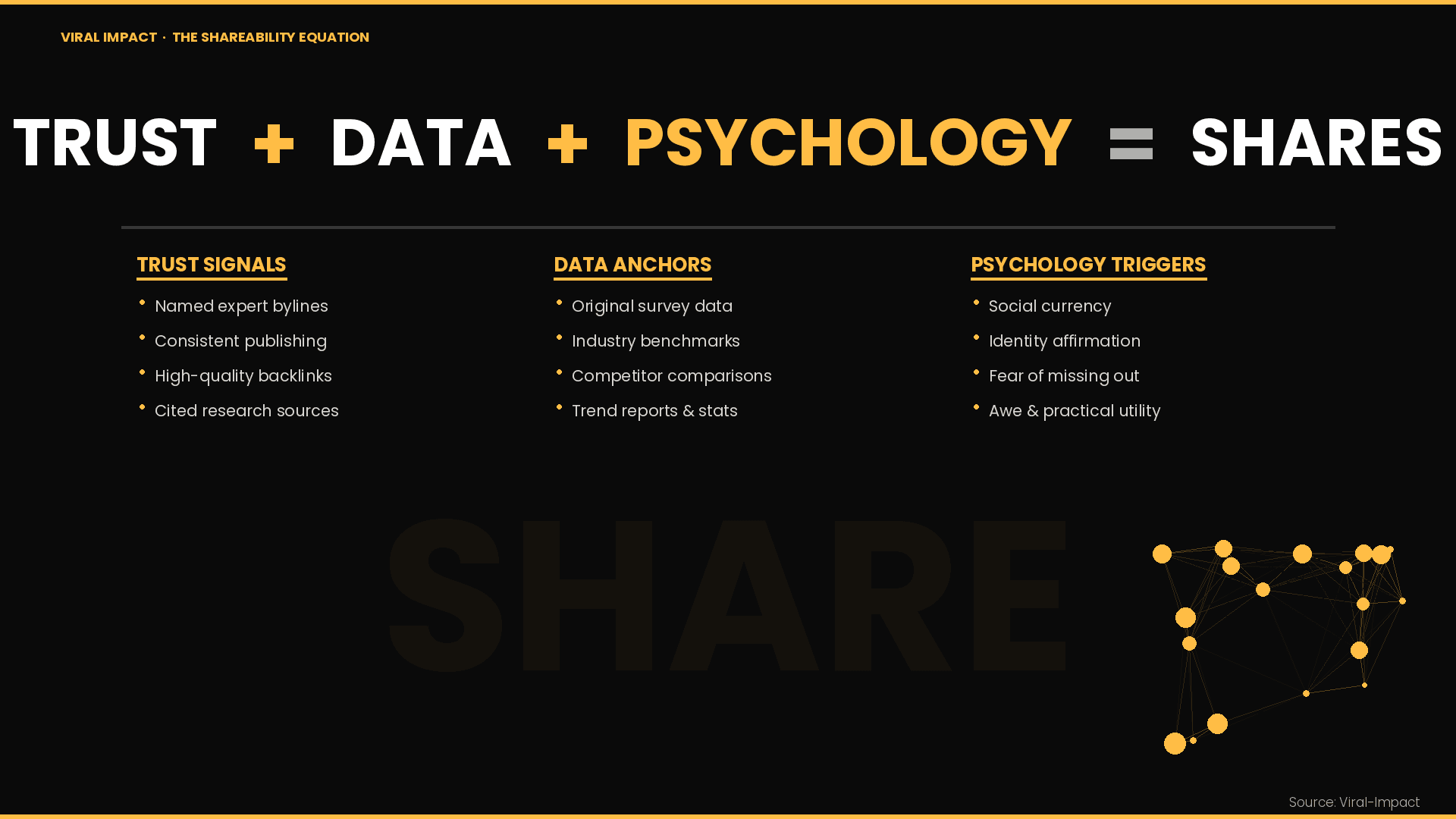
Before psychology can do its work, audiences must trust the source. In B2B content strategy, trust signals include named expert bylines, cited research, consistent publishing cadence, and a credible backlink profile. Content from recognized authorities is shared more because professionals treat it as a safe reference to pass along.
This is precisely why your Organic Growth approach functions as a strategic asset. Brands that systematically build organic authority create the trust infrastructure that makes each piece of content dramatically easier to share. Trust is not a byproduct of great content; it is a prerequisite.
Building trust in B2B content requires consistent attention to:
• Attributed authorship with verifiable professional credentials.
• Cited research from recognized institutions or proprietary original data.
• Consistent brand voice maintained across every published touchpoint.
• High-quality backlinks earned from industry-relevant domains.
Social Proof and Data as Psychological Anchors
Data is not just informative; it is psychologically persuasive. A statistic like "72% of B2B buyers share content that helps justify a purchase decision" functions as a social proof mechanism. It signals that others are already doing this, reducing the psychological friction for sharing.
Research from Nielsen Norman Group confirms that web content credibility rises significantly when authors cite specific data sources rather than making broad claims. For B2B thought leadership, every bold assertion needs a source, and every key insight should be anchored with measurable evidence.
Beyond data, case studies with specific measurable results serve as powerful shareability anchors. Professionals do not share generic advice; they share proof. This is also why AEO Strategy amplifies content reach. When content is structured to be cited by AI platforms, it gains a layer of perceived authority that increases sharing behavior among tech-forward audiences.
Content Formats That Generate Maximum Shares
Not all formats carry equivalent psychological weight. The way information is presented affects how the brain processes it, and whether the reader feels compelled to pass it on. Format selection should follow psychological goal-setting, not personal preference.
The B2B content formats with the highest share rates include:
1. Original research and proprietary surveys: Exclusive data creates urgency and authority. Readers share it to be the first in their network to surface it.
2. Definitive guides and comprehensive playbooks: Long-form content that consolidates hours of research earns bookmarks, shares, and backlinks simultaneously.
3. Data visualizations: Visual content is processed significantly faster than text. A well-designed chart often earns more shares than the article surrounding it.
4. Contrarian takes backed by evidence: Content that challenges conventional wisdom activates curiosity and surprise, two of the most reliable engagement triggers.
5. Expert roundups: Aggregating credible perspectives signals network value and earns shares from the featured experts themselves.
Pairing the right format with the right psychological trigger is what separates a strategically crafted piece from a generic post. If you are developing your Content Strategy from the ground up, format selection must always follow a clear articulation of the psychological goal each piece is designed to achieve.
Applying Psychology Through SEO and AEO
Understanding psychology is only half the equation. Even the most psychologically optimized content cannot spread if it cannot be discovered first. This is where SEO Blog writing becomes the delivery mechanism for psychological impact, ensuring the right content reaches the right audience at exactly the right moment of intent.
Answer Engine Optimization (AEO) extends reach further. Structuring content to answer specific questions in an AI-extractable format earns exposure in AI-generated responses across ChatGPT, Perplexity, and Google AI Overviews. This dramatically amplifies the reach of every published piece, and because AI citations carry implicit credibility, they reinforce the trust signals that compound shareability.
For brands publishing through Guest Posting on high-authority third-party domains, the psychological impact compounds. External publication signals impartiality, reinforces perceived credibility, and introduces content to entirely new professional communities primed to share within their own networks.
Table 1: Psychological Triggers Mapped to Content Formats
Psychological Trigger | Best Content Format | Primary Share Driver |
Social currency | Original research reports | "I found this first." |
Identity affirmation | Thought leadership articles | "This reflects my values." |
Practical utility | How-to guides and playbooks | "This solved my problem." |
Fear of missing out | Trend reports and benchmarks | "I need to know this." |
Awe and surprise | Contrarian data-driven pieces | "I never knew this." |
Trust and authority | Case studies with proven results | "This is verified." |
Table 2: B2B Content Sharing Behavior, 2024 to 2025 Survey Data
Metric | Data Point | Source |
B2B buyers share content before deciding | 74% | Demand Gen Report, 2024 |
Emotional influence in B2B purchasing decisions | 50% | LinkedIn B2B Institute |
Data-backed content vs opinion pieces | 3x more shares | BuzzSumo B2B Study, 2024 |
Content pieces consumed before engaging sales | 5 to 8 pieces | Gartner, 2025 |
Professionals sharing to reinforce professional identity | 68% | NYT Consumer Insight Group |
Ready to Build B2B Content That People Actually Share?
Viral Impact creates content strategies rooted in psychological insight, search authority, and AI visibility. From structured AEO-optimized blog writing to full organic growth systems built specifically for B2B and SaaS brands, we turn content publishing into a compounding growth asset, not a recurring cost.
Explore Our Live Agents and start building content that earns shares, AI citations, and qualified leads, without spending a dollar on paid advertising.
FAQs
What makes B2B content psychologically shareable?
Shareable B2B content activates emotional triggers like social currency, practical utility, and identity affirmation. Professionals share content that makes them appear knowledgeable, or that delivers real, immediate value to their network; not content that simply promotes a brand.
Does emotion really influence B2B purchasing decisions?
Yes. Research from the LinkedIn B2B Institute shows emotional factors influence up to 50% of B2B decisions. Rational justification follows emotional resonance; it does not precede it. Brands that ignore this dynamic underperform consistently.
Which content format earns the most B2B shares?
Original research with proprietary data consistently generates the highest share rates in B2B. It creates exclusivity, builds authority, and gives readers something genuinely unique to introduce to their network, satisfying the social currency trigger directly.
How does SEO connect to B2B content shareability?
SEO drives discovery; shareability drives reach. A piece optimized for both search intent and psychological engagement performs exponentially better than one focused on only a single dimension. They work as a system, not independently.
How does AEO improve the reach of B2B content?
AEO structures content so AI platforms extract and cite it in generated answers. This extends reach to audiences who never searched for the content directly, while adding a layer of third-party credibility that reinforces the trust signals driving sharing behavior.
The B2B brands that dominate the next five years will not be those publishing the most content. They will be the ones publishing with psychological precision — understanding why professionals share, what builds trust, and how emotional triggers operate beneath the surface of rational decision-making. This is the single most powerful lever available in modern B2B content strategy. Great content is not simply well-written. It is architecturally designed to spread.
Read more
Learn which marketing skills remain irreplaceable as AI transforms search, content, and strategy for the next decade.

Learn how to reposition your startup brand after a pivot and maintain marketing momentum without losing your audience.
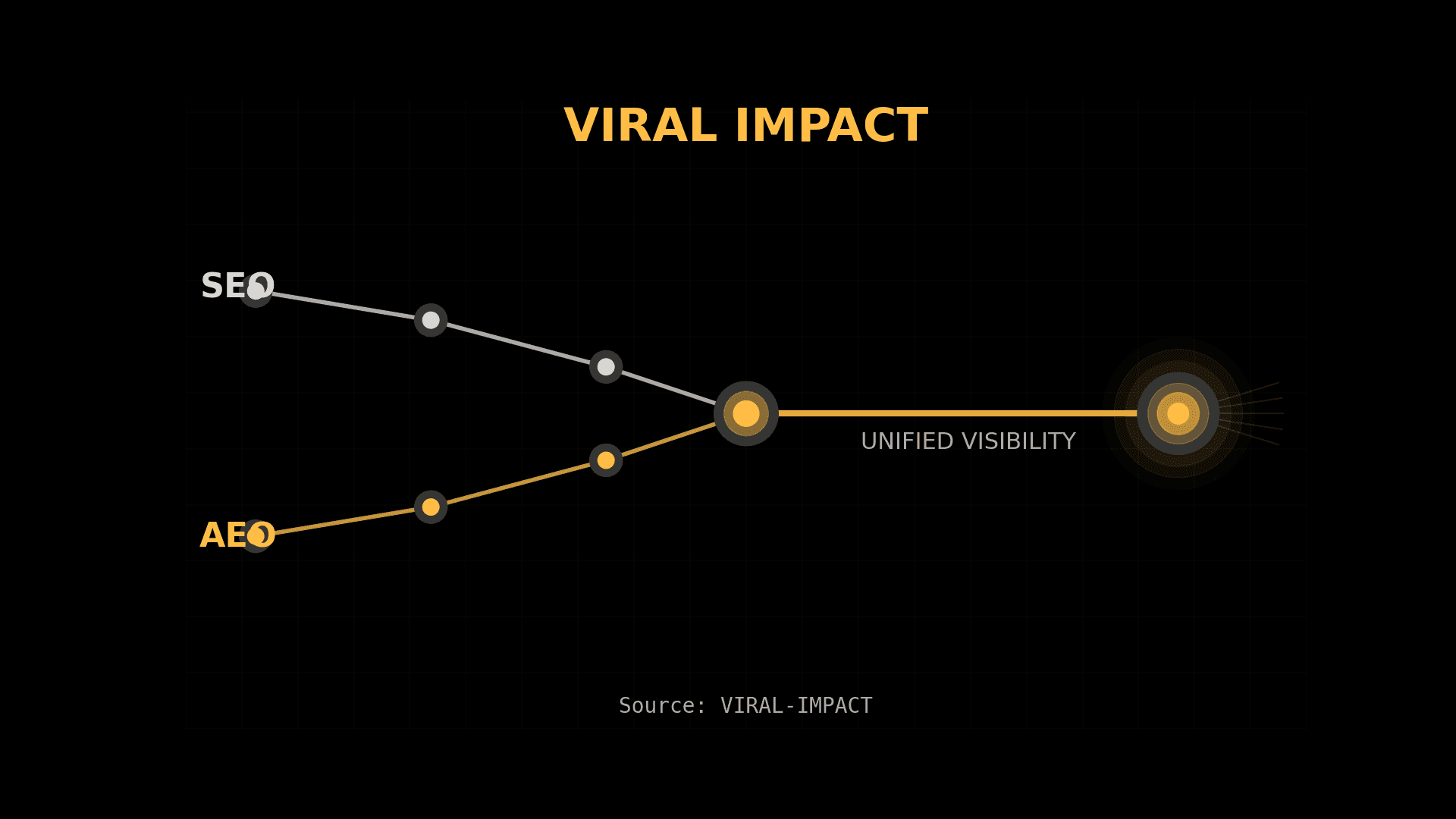
Learn the key differences between AEO and SEO and discover which strategy your startup should prioritize in 2026.